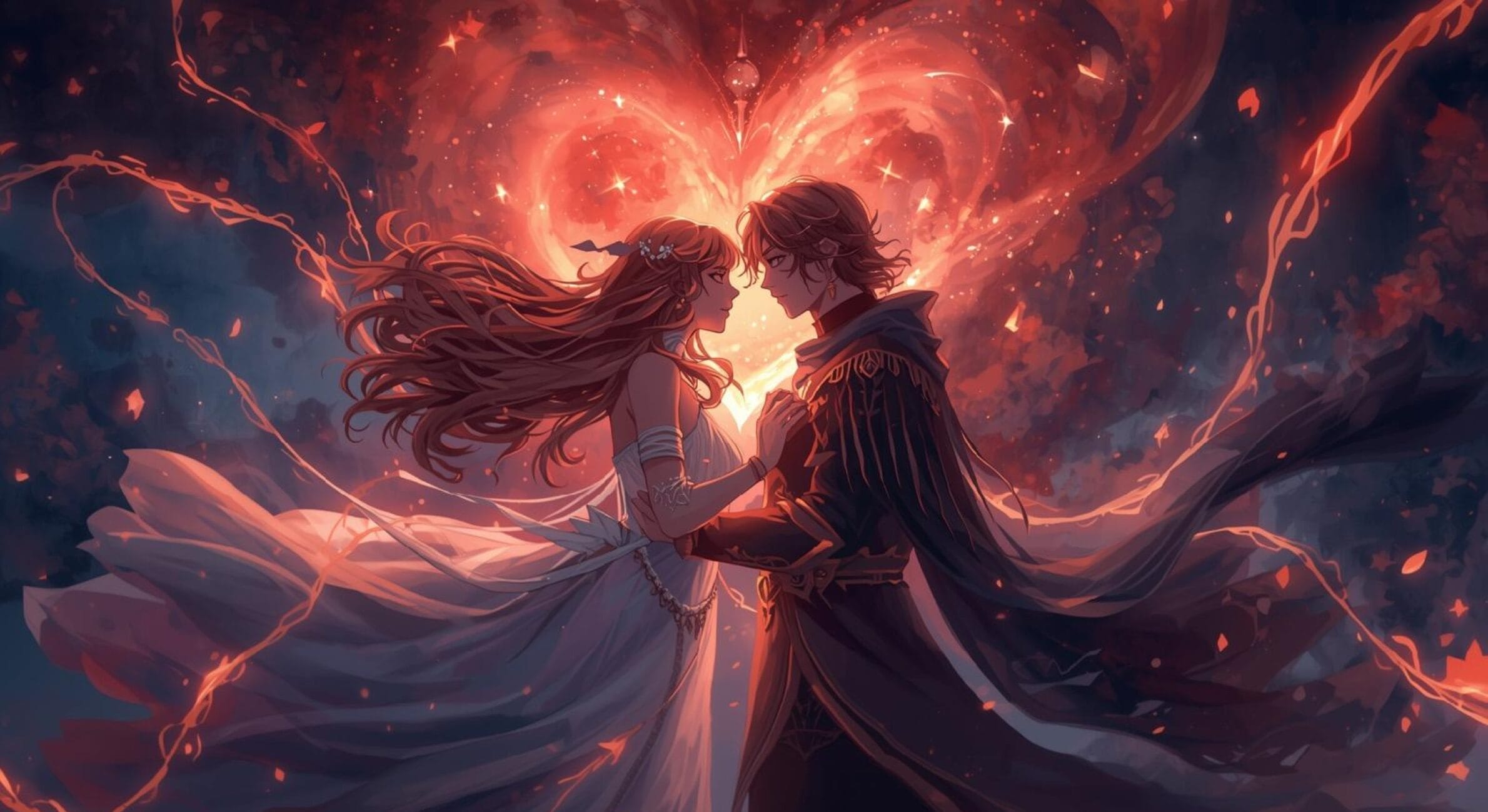




Quick Answer: Romantasy is a fantasy story where the romance drives the plot, not just supports it. If you remove the relationship, the story loses much of its central tension and emotional payoff.
The confusion usually starts because the term appears everywhere, but the explanations do not always match. Readers often know what they enjoy, but the labels can blur together, especially across social media, retailer categories, and book lists.
Romantasy helps name that difference. It blends romance and fantasy in a way that puts the relationship at the center. Once that is clear, it becomes much easier to choose books that match what you actually want to read.
What Does “Romantasy” Mean?
Romantasy is a genre blend that combines romance and fantasy, with the relationship acting as a central driver of the story. The plot depends on that relationship while unfolding in a developed fantasy setting.
The term gained traction through reader communities more than traditional publishing categories. It gave readers a useful shorthand for stories that feel emotionally driven while still offering the immersion and scale of fantasy.
Without that distinction, very different books can get grouped together. That is often where mismatched expectations begin, even when a book is well written.
What Defines a Romantasy Book?
Romantasy follows a recognizable structure. The key is not just that romance and fantasy both appear, but how they work together on the page.
Many readers go in expecting a relationship-driven story and instead find a plot-heavy fantasy where the romance stays in the background. Understanding the structure makes that mismatch easier to avoid.
Romance as the Core Plot
- The relationship drives the main conflict
- Emotional stakes shape the story’s direction
- Removing the romance would significantly weaken the story
This is one of the clearest signals. If the story still functions almost the same without the relationship, most readers would place it closer to romantic fantasy than romantasy.
Fantasy Worldbuilding Elements
Romantasy still relies on strong fantasy elements such as magic systems, supernatural beings, and layered settings.
What matters is balance. The worldbuilding supports the relationship instead of competing with it. When that balance slips, the story can start to feel divided, as if the romance and fantasy are pulling in different directions.
For a closer look at how this balance works, mythology in fantasy romance explores how lore and relationships can strengthen each other rather than compete.
Common Tropes in Romantasy
- Enemies-to-lovers
- Fated mates
- Slow-burn romance
- Political or magical conflict tied directly to relationships
These tropes shape the reading experience. They influence pacing, tension, and emotional payoff.
Readers tend to recognize these patterns quickly. If these dynamics appeal to you, the genre is often a strong fit. For example, why readers love fated mates romance breaks down why one of these tropes remains so effective.
Romantasy vs Fantasy Romance vs Romantic Fantasy
This is where much of the confusion happens. The terms overlap, but they can point to different story structures.
A common mistake is treating them as interchangeable. That is often where expectations break down and a reading experience feels off.
Key Differences Explained Simply
- Romantasy: A reader-friendly label for fantasy stories where romance is central to the plot
- Fantasy romance: A romance-forward story set in a fantasy world
- Romantic fantasy: A fantasy story where romance is important but not the main engine of the plot
These distinctions can affect pacing, emphasis, and the kind of resolution a story delivers. Getting them mixed up does not mean a book is bad. It usually means it is not the experience you were hoping for.
Why the Terms Get Confusing
Genres blend more than ever, and readers often label books by feel as much as by structure.
That can raise expectations in the wrong direction. A book promoted for its romance may lean heavily on plot, while another may downplay its relationship focus even when that is the real heart of the story.
Why Romantasy Is So Popular Right Now
Romantasy stands out because it combines emotional intensity with immersive escapism.
That fits a broader shift in reading preferences. Many readers want stories that feel personal and emotionally engaging without giving up the scale and wonder of fantasy.
Social Media Influence
Online book communities have helped accelerate the rise of romantasy. Recommendations often focus on emotional moments, relationships, and tropes that create strong reader reactions.
That visibility makes the genre easier to find. As more readers share favorites, more readers go looking for similar stories.
Reader Preferences Are Shifting
One clear pattern is the growing appeal of character-driven storytelling. Many readers want strong emotional arcs, not only external conflict.
Romantasy fits that shift. It keeps the scale of fantasy while grounding the story in relationships that carry real narrative weight.
Accessibility of the Genre
Traditional fantasy can feel dense, especially for newer readers. Romantasy often offers an easier entry point by anchoring the story in character relationships.
That can create faster engagement. Readers connect with the characters early, which helps sustain interest as the world expands.
Popular Examples of Romantasy Books
Romantasy books often share a recognizable pattern: the romance and the external stakes are tightly connected.
- Series where relationship conflict drives major plot decisions
- Stories built around magical bonds, rivalries, or forbidden love
- Books where emotional payoff matters as much as the external resolution
If you are unsure where to start, how to choose your next fantasy romance read can help narrow down options based on what you want most from the story.
How to Tell If a Book Is Romantasy
- The relationship is a main source of tension
- The plot revolves around emotional stakes as well as external conflict
- The blurb gives clear weight to the romance, not just the world
- Tropes like enemies-to-lovers or fated mates are central to the setup
This is where many readers get stuck. Labels can be inconsistent, but the structure of the story usually tells you more.
If a book is marketed as romantasy but the description focuses almost entirely on war, politics, or world events, the romance may be secondary.
Are You Picking the Wrong Books Without Realizing It?
If romantasy has not been working for you, the issue may not be the genre itself. It may be how the books are being chosen or marketed.
- You expected a strong romance but got minimal relationship development
- The story focused more on politics or war than emotional arcs
- The ending did not feel satisfying from a relationship standpoint
- The marketing did not match the actual structure of the story
If you recognize these patterns, it helps to focus on structure rather than labels. That shift often leads to better picks.
Key Takeaways
- Romantasy is defined by romance playing a central role in the plot
- The relationship should shape the story’s direction and outcome
- Confusion between similar genre labels can lead to poor book matches
- Understanding structure makes it easier to choose books you will enjoy
Conclusion
The challenge with romantasy is not the genre itself. It is how loosely the label can be used, which makes it easier to pick up books that do not match what you want.
When that keeps happening, reading starts to feel inconsistent. You spend time on stories that do not deliver the emotional experience you expected, and recommendations become harder to trust.
Maizie Bennett writes romantasy with a clear focus on relationship-driven storytelling, where the emotional arc and the fantasy world are built to support each other. That alignment is part of what makes the reading experience feel satisfying.
If you are looking for stories where the romance genuinely shapes the narrative, exploring Maizie Bennett’s work is a natural next step.
Frequently Asked Questions
What is the meaning of romantasy?
Romantasy is a genre blend that combines romance and fantasy, with the relationship playing a central role in the story. The plot depends on that relationship rather than treating it as a side element. That makes it easier to identify books that fit your preferences.
Is romantasy the same as fantasy romance?
Not exactly, although the terms overlap. Romantasy is often used as a broad, reader-driven label, while fantasy romance usually suggests a more romance-forward structure. Knowing the distinction can help you choose the kind of story you want.
What makes a book romantasy?
A romantasy book centers the relationship as a major source of conflict and momentum. It also includes meaningful fantasy elements such as magic, supernatural forces, or an invented world. Together, those signals help identify the genre.
Why is romantasy so popular?
Romantasy combines emotional storytelling with immersive worlds. Many readers enjoy stories that balance character relationships with larger external stakes. That combination gives the genre broad appeal.
What are examples of romantasy books?
Romantasy books typically feature a central romantic arc within a fantasy setting. These stories usually prioritize both emotional payoff and external stakes. Starting with recommended titles can help you narrow down what best fits your taste.
Is romantasy a real genre or just a trend?
Romantasy is widely used as a genre label, even if its boundaries are still flexible. The term may be newer, but the story structure has been around for years. Understanding it can make modern book recommendations easier to navigate.