

Using mythology in fantasy romance creates a unique challenge: how do you incorporate rich mythological elements without drowning your love story in worldbuilding?
If you’re writing fantasy romance with mythological creatures—whether sirens, fae, dragons, gods, or any other legendary beings—you’ve probably faced this question. How much mythology is too much? How do you stay true to the source material while making it work for romance? When should you follow the myths and when should you break from them?
Here’s what I’ve discovered about balancing mythology and romance in fantasy fiction.
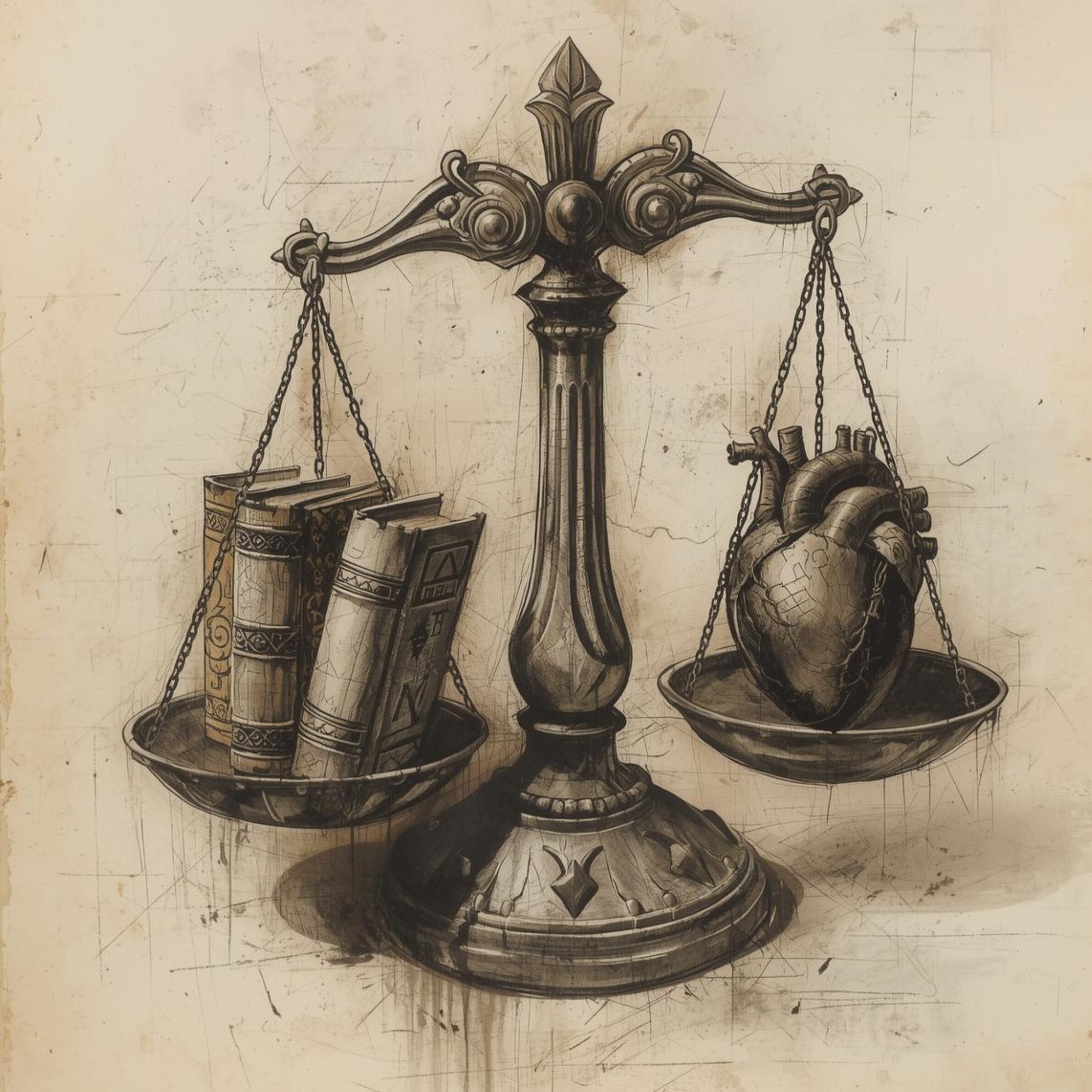
Romance Is Still the Main Plot
The most important principle to remember: in fantasy romance, the romance is the main plot.
This distinction matters because it affects how you use mythology in your story.
In epic fantasy, you can spend significant time on worldbuilding, mythology, and lore because those elements ARE the primary appeal. Readers expect detailed explanations of magic systems, historical backgrounds, and cultural structures.
In fantasy romance, readers are primarily here for the relationship. The mythology exists to support the romance—to create conflict, raise stakes, and provide unique obstacles. But the love story should always be the central focus.
What this means for your mythology:
- Mythological elements should complicate the romance
- World-building details matter most when they affect the relationship
- Not every cool mythological fact needs to be in the book
- The romance should drive the story forward
When Mythology Creates the Best Conflict
Mythology works best in romance when it creates obstacles specific to your mythological world.
Think about what makes your mythological creatures or world unique, and then ask: how does this complicate falling in love?
Types of mythological conflict that serve romance:
Historical Conflict
Ancient wars, betrayals, or divisions between species/factions create forbidden love dynamics.
Biological Complications
Mythological traits like fated mates, incompatible species, transformation requirements, or magical bonds create unique romantic tension.
Power Dynamics
Different magical abilities, immortality versus mortality, or hierarchical structures create imbalance that characters must navigate.
Cultural Differences
Distinct traditions, values, or social structures based on mythology force characters to bridge divides.
Existential Stakes
Mythological curses, prophecies, or magical consequences that directly threaten the relationship.
The key question: Does this mythological element make the romance more complicated, or am I just adding cool lore?
If a mythological detail doesn’t create romantic conflict or raise emotional stakes, consider whether it needs to be in a romance novel.
The Research Question
When you’re basing your fantasy romance on existing mythology, research is valuable—but it comes with a trap.
Mythology research is fascinating. You can spend hours (or days, or weeks) learning about different cultural interpretations of your chosen creatures, historical contexts, variations across regions and time periods.
But here’s what I’ve learned: your readers don’t need a mythology lesson.
The research is for you. It helps you understand your world well enough to write it convincingly. It gives you depth and authenticity. But most of that research stays in your notes, not on the page.
Guidelines for using research:
- Include mythology details that affect the romance
- Cut explanations that are just showing off your knowledge
- Reveal information gradually and only when relevant
- Filter world details through emotional moments
The test: If removing a mythological detail wouldn’t change the romantic arc, you probably don’t need it.
Adapting Mythology for Romance
Here’s something that took me time to accept: you’re allowed to change the mythology.
You’re writing fiction, not a mythology textbook. The original myths are your springboard, not your rulebook.
What you can change:
- Powers and abilities of mythological creatures
- Social structures and cultures
- Motivations and behaviors
- Physical characteristics
- Relationships between different mythological beings
What matters more:
- Consistency within YOUR version of the mythology
- Making changes that serve your romance
- Keeping enough familiar elements that readers recognize the base myth
- Creating rules that create interesting romantic complications
For example, if you’re writing siren romance, you don’t have to keep the “luring sailors to death” element if it doesn’t serve your love story. You could adapt sirens to have different motivations, different powers, or different relationships with humans—as long as you’re consistent with your own rules.
The original mythology gives you a foundation readers can recognize. What you build on that foundation is up to you.
Avoiding the Info-Dump
One of the biggest challenges with mythology in romance: how do you convey mythological background without stopping the story?
Strategies I’ve found helpful:
Reveal Through Conflict
Explain mythological elements when they’re creating problems for your characters. If your heroine needs to use a power, that’s when we learn about it. If historical events affect trust, that’s when we hear about them.
Show, Don’t Tell
Let readers experience the mythology through action and dialogue rather than explanation. Instead of explaining magical bonds, show how they feel and what they do to the characters.
Use Character Knowledge Gaps
If one character doesn’t know the mythology, they can ask questions naturally. If both know, they wouldn’t explain things to each other—find other ways to convey information.
Layer Information
Don’t explain everything at once. Reveal mythological details gradually across the entire book, giving each piece when it becomes relevant.
The goal: Mythology should feel like a natural part of the world, not a lecture.
Questions to Guide Your Mythology Choices
When I’m deciding what mythological elements to include or how to adapt them, these questions help:
Does this create romantic conflict? If a mythological element doesn’t make the relationship harder or more complicated, reconsider its importance.
Does this raise the emotional stakes? Good mythology makes the happily ever after feel more earned. If it doesn’t affect whether characters get their HEA, it might not be necessary.
Can readers understand this without extensive explanation? If you need multiple paragraphs of backstory for something to make sense, it’s probably too complex for a romance novel.
Would this interest readers who came for the romance? Some mythology details fascinate writers but don’t enhance the love story. Be honest about what serves the romance.
Does this make the romance unique to this mythological world? The best mythological elements create romantic complications that couldn’t exist in a contemporary or non-mythological setting.
Finding Your Balance
Every fantasy romance writer needs to find their own balance between mythology and romance. That balance might vary depending on:
Your subgenre:
- Heavy romantasy might lean more into mythology
- Cozy fantasy romance might use mythology more lightly
- Paranormal romance often keeps mythology minimal
Your mythological base:
- Well-known myths (Greek gods, vampires) might need less explanation
- Obscure or adapted myths might need more context
- Original mythologies require more careful worldbuilding
Your story’s needs:
- Some romances require extensive mythological context
- Others work better with minimal mythology
- Let your specific story guide you
The constant: Romance should always be the primary plot, with mythology supporting it.
Common Pitfalls to Avoid
Prioritizing worldbuilding over romance: If you go multiple chapters without significant romantic development, you might be leaning too heavily into mythology.
Making mythology too complicated: If readers need a glossary or family tree to follow your story, you’ve probably overcomplicated the mythology for a romance novel.
Forgetting the romance during action: Even in mythological battles or quests, the romance should remain central. Characters should be thinking about each other, worried about each other, affected by each other.
Explaining instead of experiencing: Long explanations of mythological systems pull readers out of the emotional story. Find ways to make readers experience the mythology through the romance.
Bringing It Together
Writing mythology in fantasy romance means constantly balancing two elements: the rich world you’re building and the love story readers came for.
What I’ve learned:
- Mythology should create obstacles and raise stakes for the romance
- Research informs your writing, but most stays in your notes
- You’re allowed to adapt myths to serve your story
- Reveal mythology gradually through romantic moments
- When in doubt, choose romance over worldbuilding
The mythology in your fantasy romance should make readers think: “This love story could only happen in THIS world.” When your mythological elements create unique romantic complications and make the happily ever after feel more earned, you’ve found the right balance.
Because ultimately, readers come to fantasy romance for the magic of falling in love—with a little extra magic from your mythological world making it even more special.
What mythological elements appear in your favorite fantasy romances?
I’d love to hear what myths or legends have inspired your favorite romantasy books! Drop your recommendations in the comments—I’m always looking for new mythology-based romances to read.