

Siren and mermaid romance has captivated readers for centuries—from ancient mythology to modern fantasy romance. There’s something irresistible about creatures who belong to an entirely different world, who must bridge impossible divides to find love.
When I started writing my Sirens in the Shadows series, I quickly realized that creating compelling siren romance required more than putting a tail on a character and calling it done. I had to think through biology, magic systems, cultural differences, and how the fundamental divide between water and land creates unique romantic challenges.
As a debut author working through these questions for the first time, I learned that treating water-dwelling characters as fully realized beings with their own culture, challenges, and motivations—not just exotic love interests—makes all the difference.
Here are the questions I had to answer and the choices I made while writing siren romance. Hopefully, my process helps you navigate your own underwater worlds.
First Question: Sirens vs. Mermaids—What’s the Difference?
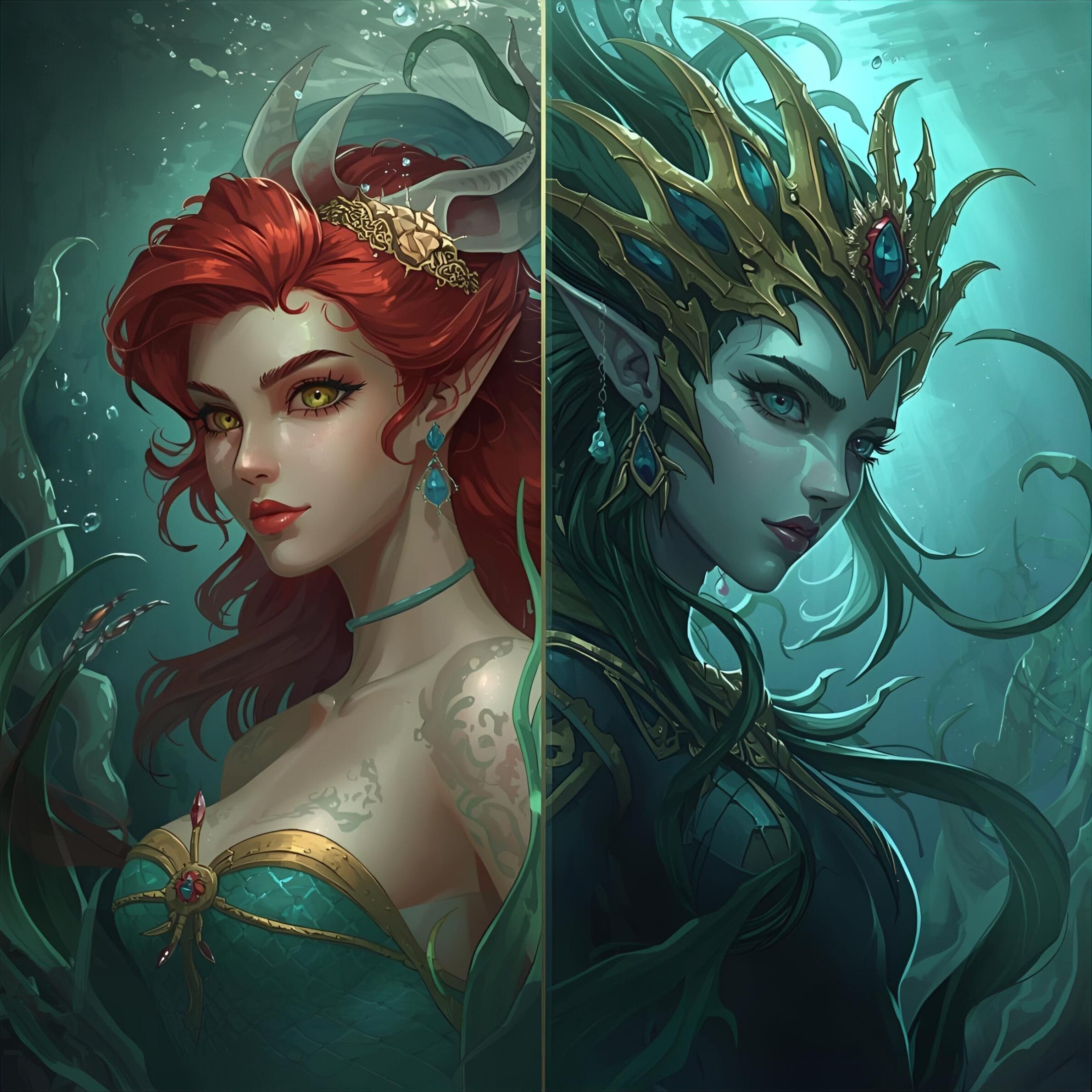
One of my first decisions was figuring out what kind of water-dwelling creature I was creating.
Traditional Mermaids:
- Half-human, half-fish appearance
- Often portrayed as beautiful and gentle
- Live underwater but curious about land
- Associated with beauty, singing, longing
- Classic fairy tale/Disney associations
Traditional Sirens:
- Originally bird-women in Greek mythology, later portrayed as fish-tailed
- Dangerous and deadly
- Use their voices to lure sailors to death
- Associated with danger, seduction, doom
- More complex moral alignment
Modern Interpretations: I discovered I didn’t have to follow traditional definitions strictly. Many authors blend elements or create entirely new mythos. What I found most important was being intentional about:
- What powers my water-dwellers have
- How dangerous or benevolent they are
- Their relationship with humans/land-dwellers
- Their cultural identity and values
In my series, I use “Sirens” to mean powerful water-dwelling beings with voices that can influence minds—but I didn’t want them to be inherently evil. I wanted complex characters with their own society, struggles, and moral codes.
The Biology Question I Had to Answer: How Do They Live?
This was one of the first practical questions I faced. Do my sirens/mermaids:
Breathe underwater only?
- Creates natural barrier to land romance
- Limits time they can spend with land-based love interests
- Requires magic or technology to bridge gap
Breathe both water and air?
- More flexibility for romance
- Still allows water as “home” and land as “foreign”
- Can create interesting vulnerability (dehydration on land, etc.)
Transform between forms?
- Classic “legs on land, tail in water”
- Raises questions: Is transformation painful? Tiring? Magical?
- What triggers the change?
Have other biological differences?
- Temperature regulation (cold-blooded?)
- Enhanced senses (better vision underwater?)
- Different sleep patterns
- Unique vulnerabilities
My approach: I chose to have my Sirens able to breathe both water and air, but they’re most powerful in water. This gave me flexibility while maintaining water as their true home.
What I learned: Whatever you choose, staying consistent matters. I had to keep track of my own rules carefully because readers notice inconsistencies—like if your siren can suddenly breathe on land when it’s convenient for the plot.
Water Magic: What I Learned About Making It Unique
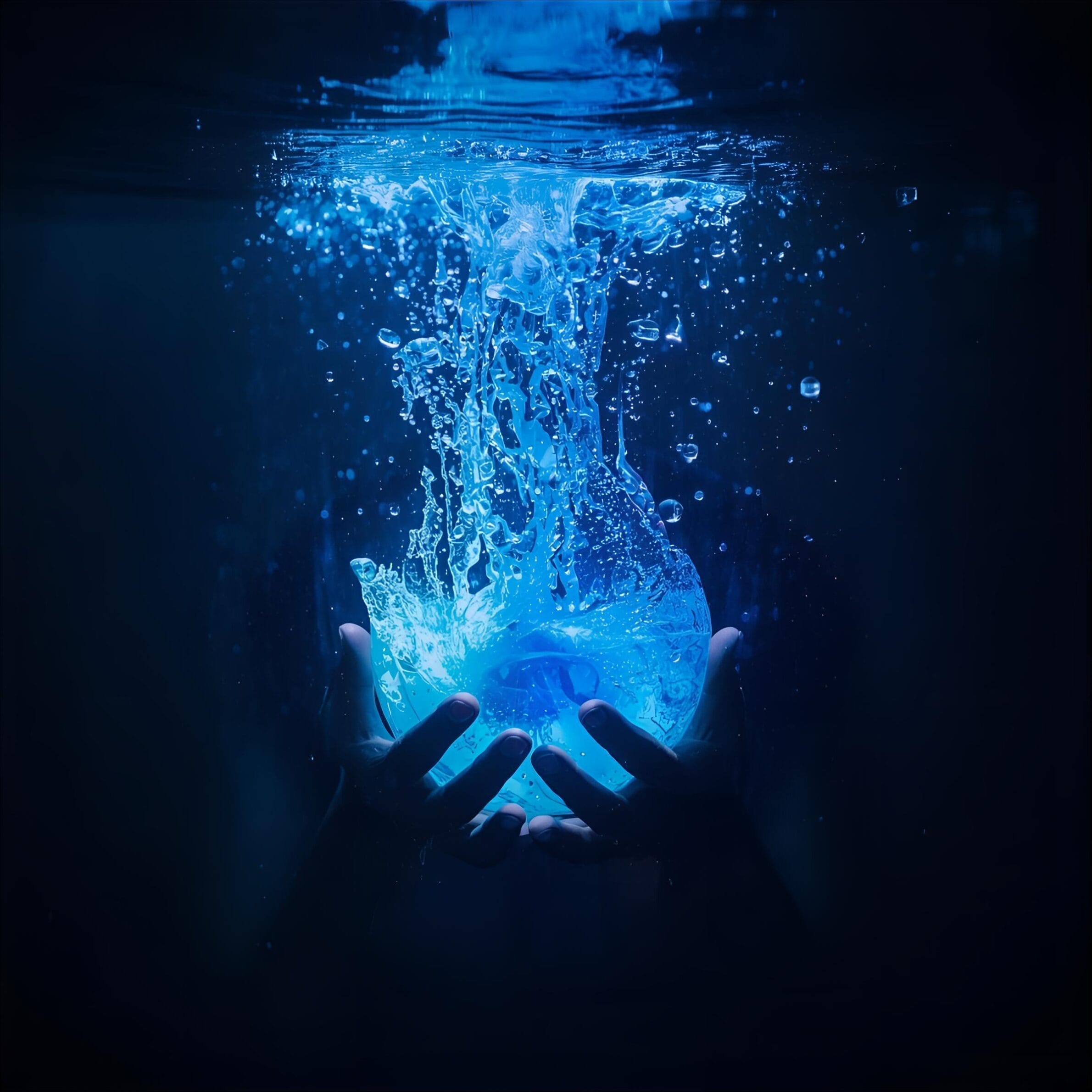
Water magic in my siren romance needed to do more than just look pretty. I wanted it to:
Create romantic opportunities:
- Sharing breath underwater
- Swimming together in magical currents
- Using water magic to communicate
- Creating private underwater spaces
Raise romantic stakes:
- Magic that only works in water limits where they can be together
- Water magic that reveals emotions
- Magical bonds that connect through water
- Powers that protect or endanger the relationship
Reflect character and culture:
- Different sirens have different water abilities
- Magic tied to emotional states
- Cultural rules about using magic
- Power dynamics in relationships
Types of water magic to consider:
Hydrokinesis: Controlling water currents and movement
Voice magic: Sirens are traditionally associated with powerful voices—how does this work in your world?
Bioluminescence: Creating light underwater (useful for communication and beauty)
Healing: Many water myths include healing properties
Weather manipulation: Controlling storms, rain, tides
Communication: Speaking across distances through water
Emotional sensing: Feeling emotions through water connections
In my series, Siren voices can influence minds and emotions—but using this power on someone without consent is a serious violation. This creates moral complexity and raises stakes when characters are tempted to use their power to “fix” relationship problems.
Underwater World-Building: Questions I Had to Answer
Creating an underwater world that felt as real as any land-based setting required me to think through details I’d never considered.
Questions I asked myself:
Where do they live?
- Deep ocean cities?
- Coastal territories?
- Freshwater vs. saltwater?
- Moving with currents or stationary settlements?
What’s their society like?
- Monarchy, democracy, tribal?
- How do they handle disputes?
- What are their values and priorities?
- How do they view land-dwellers?
What do they eat?
- Hunting? Gathering? Farming kelp?
- Cooked or raw?
- Cultural significance of food?
How do they create things?
- What materials work underwater?
- How do they forge metal? Create art?
- What technology exists?
What are their dangers?
- Predators in the ocean
- Rival mer-groups
- Human threats (fishing, pollution, hunting)
- Natural disasters (currents, volcanic activity)
What I discovered: I could use world-building details to create both conflict and connection. My land-based love interest doesn’t understand siren culture at first. Underwater politics threaten the relationship. Even simple things like eating together require compromise.
The Land/Sea Divide: My Built-In Conflict
The fundamental barrier between water and land became my greatest asset in creating romantic tension.
I found this creates natural conflict:
Physical separation:
- Can’t easily live in the same place
- Time limits when visiting each other’s worlds
- Danger in unfamiliar environments
Cultural differences:
- Different values, customs, communication styles
- Misunderstandings are inevitable
- Family/society may oppose the relationship
Biological incompatibility:
- How do they physically be together?
- Where would they raise children?
- What sacrifices must be made?
Magical/political barriers:
- Laws against fraternization
- Historical conflicts between land and sea
- Magic that prevents crossing
My learning curve: I realized early on that if I resolved the land/sea divide too easily, I’d lose dramatic potential. If my sirens could just transform to human form with no cost, where’s the tension? I had to make sure this barrier created ongoing challenges that required real sacrifice and compromise.
Mistakes I Made (So You Can Avoid Them)
Mistake #1: Almost Making Sirens Just Humans With Tails
In early drafts, I caught myself writing sirens who thought like humans, valued the same things, and just happened to have tails. I had to go back and ask:
- How does living in three-dimensional space (able to move up/down freely) change how they think?
- How does living in a world without fire, without dry land, without certain materials shape their culture?
- What would ocean-dwellers value that land-dwellers don’t?
Mistake #2: Not Thinking Through the Logistics
I quickly realized readers would wonder:
- How do they kiss underwater?
- How do intimate moments work physically?
- Do they get pruney after too much time on land?
- What about salt water in wounds?
I didn’t need to explain everything in the text, but I had to think through the logistics enough that my scenes felt believable to me first.
Mistake #3: Almost Making One World “Better” Than the Other
In early planning, I almost fell into the trap of making land clearly superior to sea (or vice versa). I realized that if one world is obviously better, there’s no real conflict about where to live or what to sacrifice.
I made sure both worlds had trade-offs:
Land might have:
- Technology, fire, certain materials
- Different social structures
- Safety from ocean predators
Sea might have:
- Freedom of three-dimensional movement
- Different magic or resources
- Connection to ancient power
Neither should feel like the “obvious” choice.
Mistake #4: Forgetting About Temperature
This almost tripped me up. Deep ocean water is COLD. Surface water varies by location. I had to think about:
- How comfortable sirens are on land
- Whether they can survive in all climates
- Physical compatibility with warm-blooded land-dwellers
Mistake #5: Making the Voice Magic Too Powerful
I struggled with this one. If sirens can just mind-control anyone with their voice, where’s the conflict? Where’s the consent in the romance?
I had to build in:
- Limits to voice magic (doesn’t work on everyone, requires focus, etc.)
- Costs to using it (exhaustion, ethical taboos in siren culture)
- Protections against it (mental shields, certain people are immune)
What Made My Siren Romance Swoon-Worthy
I tried to use the unique elements of siren romance to create romantic moments:
First underwater swimming together – The moment a land-dweller experiences the freedom and beauty of the underwater world
Sharing breath – Intimate scenes where a siren gives breath to their love interest underwater
Voice magic used tenderly – A siren using their voice to soothe, heal, or comfort (not control)
Teaching each other’s worlds – Land-dweller learning to swim, siren learning to walk
Magical connection through water – Feeling each other’s emotions through water magic
Sacrifice for love – What each is willing to give up to be together
Bridge between worlds – Creating a space where both can exist together
Questions to Ask About Your Siren Romance
Before you start writing, consider:
About your sirens:
- What makes them different from traditional mermaids?
- What are their powers and limitations?
- How do they view land-dwellers?
- What do they want that drives the plot?
About the romance:
- How do the lovers meet?
- What’s the main obstacle to their relationship?
- What must each sacrifice to be together?
- How do they bridge the land/sea divide?
About your world:
- Where do sirens live and why?
- What’s the history between land and sea people?
- What magic exists and how does it work?
- What are the stakes beyond the romance?
Bringing It All Together
Writing siren romance has taught me to embrace the challenge of two beings from fundamentally different worlds finding love despite impossible odds.
The water/land divide creates natural conflict. The biological and cultural differences create opportunities for growth and understanding. The magic creates unique romantic moments you can’t get in land-based romance.
The biggest lesson I’ve learned? My sirens needed to feel real. They needed motivations beyond being exotic love interests. They needed cultures, values, fears, and dreams shaped by their underwater existence.
I’m still learning how to balance all these elements—the logistics and magic and culture, the conflict and connection. But I’ve found that when I treat my siren characters with the same depth I give my land-based characters, the romance feels more authentic.
The ocean is vast and mysterious. I’m discovering that siren romance can be too.