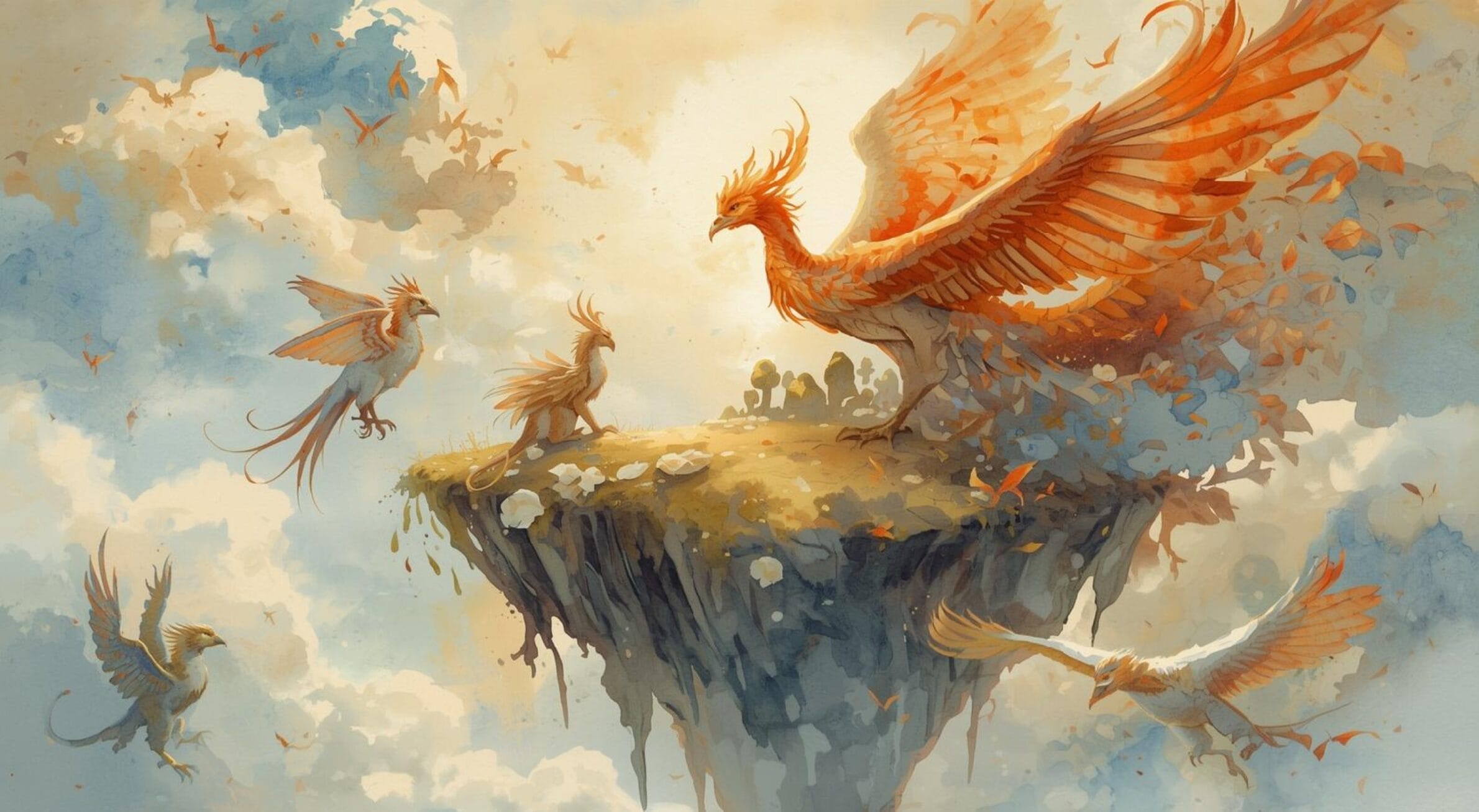




Shifter romance is one of the most popular paranormal/fantasy romance subgenres, and for good reason. Shifters offer built-in conflict, fascinating world-building possibilities, and romantic dynamics that readers love.
But writing shifter romance well—especially in fantasy settings rather than contemporary—requires understanding what makes shifters work as romantic leads and how to build worlds that support their unique nature.
Here’s what I’ve learned about writing compelling shifter romance in fantasy settings.
What Makes Shifters Compelling in Romance
Before diving into the how, let’s understand the why:
Dual Nature
Shifters aren’t just humans who can turn into animals. They’re beings with two natures that must coexist.
This creates:
- Internal conflict (human logic vs. animal instinct)
- Struggle for control and balance
- Question of which nature dominates
- Moments where instinct overrides reason
For romance: The push and pull between human thought and animal desire creates tension and passion.
Protective Instincts
Animal instincts make shifters naturally protective of their mates.
This manifests as:
- Fierce loyalty and devotion
- Territorial behavior
- Physical protection
- Possessiveness (when done right)
For romance: Readers love protective heroes/heroines who would literally fight to defend their beloved.
Enhanced Abilities
Shifters typically have enhanced strength, speed, senses, and healing.
This creates:
- Power that can protect or threaten
- Abilities that affect intimacy and daily life
- Advantages in conflict and danger
- Unique perspectives (heightened senses change how they experience the world)
For romance: Power differences, unique abilities, and the question of control.
Pack/Pride/Clan Dynamics
Shifters rarely exist alone—they have communities with hierarchies and rules.
This provides:
- Built-in supporting cast
- External conflict (pack politics, hierarchy challenges)
- Found family elements
- Obstacles to romance (pack rules, hierarchy issues)
For romance: Community acceptance or rejection of the relationship creates stakes.
Fantasy Settings vs. Contemporary
Most shifter romance is set in contemporary worlds. Writing shifters in fantasy settings offers different opportunities and challenges:
Fantasy Setting Advantages:
No need to hide: Shifters don’t have to conceal their nature from humans if it’s a fantasy world where everyone knows about them (or where humans don’t exist).
Build entire societies: You can create kingdoms, nations, or cultures entirely of shifters.
Magic integration: Shifter abilities can interact with broader magic systems.
Historical or atemporal feel: Medieval or invented time periods create different romantic aesthetics.
Freedom from modern constraints: No technology, modern laws, or contemporary social norms to navigate.
Fantasy Setting Challenges:
More world-building required: Contemporary settings provide built-in world understanding. Fantasy requires creating everything.
Explaining shifting mechanics: Without modern science as reference, you need magical or mythological explanations.
Avoiding clichés: Fantasy shifter romance is less common, so you have more freedom but also fewer established tropes to lean on.
Creating unique cultures: You can’t rely on readers understanding contemporary shifter pack dynamics—you have to establish your own.
Types of Shifters in Fantasy
Traditional Animal Shifters
Shifters who transform into real animals: wolves, bears, lions, eagles, etc.
Advantages:
- Readers understand the animals
- Clear instincts and behaviors to draw from
- Established animal hierarchy and social structures
Considerations:
- How do animal behaviors translate to human form?
- Why can they shift? (Magic, curse, natural ability, etc.)
- Are they born shifters or made?
Mythological Creature Shifters
Shifters who transform into dragons, phoenixes, griffins, or other fantasy creatures.
Advantages:
- More fantastical and magical
- Can have abilities beyond normal animals
- Feel more integrated with fantasy settings
Considerations:
- What powers do these creatures have?
- How does shifting into a magical creature work differently than shifting into a normal animal?
- What are the limitations?
Partial Shifters
Shifters who shift only partially or have hybrid forms.
Advantages:
- Unique visual and romantic possibilities
- Different from standard full-shift narratives
- Can create interesting power dynamics
Considerations:
- What triggers partial vs. full shifts?
- How do partial shifts affect daily life?
- What are the advantages/disadvantages of partial shifting?
Building Shifter Societies in Fantasy Settings
Hierarchy and Power Structures
Most shifter societies have clear hierarchies.
Common structures:
- Alpha/Beta/Omega dynamics
- Pack/Pride/Clan leadership
- Strength-based hierarchy
- Inherited leadership vs. earned rank
For romance:
- Hierarchy can create obstacles (rank differences)
- Challenge for leadership can threaten relationships
- Power struggles affect the couple
- Rank can determine mating rights or restrictions
Build it clearly: Readers need to understand who has power, why, and what that means for your characters.
Territory and Boundaries
Shifters are often territorial.
Questions to answer:
- What territory does your pack/pride control?
- How are boundaries maintained?
- What happens when territories overlap or conflict?
- How does romance across territorial lines work?
For romance:
- Territory disputes can bring characters together or tear them apart
- Protecting shared territory creates partnership
- Crossing boundaries can be forbidden or dangerous
Mating Customs and Rules
How do shifters choose mates in your world?
Options:
- Fated mates (instinct/magic determines pairing)
- Choice-based (like humans, they choose partners)
- Arranged matings (political or strategic)
- Claiming/bonding rituals
- Mate marks or bonds
For romance:
- Fated mates create inevitability but remove some choice
- Choice-based allows for more tension and uncertainty
- Rituals provide key romantic moments
- Bonds can have magical or physical manifestations
Integration with Non-Shifters
If your fantasy world has non-shifters, how do they coexist?
Possibilities:
- Shifters rule (kingdom of shifters with human subjects)
- Separate societies (shifters in forests, humans in cities)
- Integrated (shifters and non-shifters living together)
- Conflict (shifters and humans at war or in tension)
For romance:
- Shifter/non-shifter romance creates species difference conflict
- Social acceptance or rejection of mixed relationships
- Power imbalances between species
- Cultural misunderstandings
The Shifting Mechanics
How does shifting actually work in your world?
The Physical Process
Decide:
- Is shifting painful or painless?
- How long does it take?
- What happens to clothes/items?
- Can they shift partially or only fully?
- Do they retain human consciousness in animal form?
Be consistent: Once you establish how shifting works, stick to it.
Triggers and Control
What causes shifts:
- Voluntary (full control, shift at will)
- Emotional (strong emotions trigger shifts)
- Lunar (moon phases affect shifting)
- Situational (danger, arousal, anger trigger shifts)
- Combination (control most of the time but triggers exist)
For romance:
- Loss of control during intimate moments
- Emotions revealing true feelings through unwanted shifts
- Learning to control shifting as character development
- Partial shifts showing internal state
Costs and Limitations
Consider:
- Does shifting require energy?
- Are there limits on how often they can shift?
- Do injuries in one form carry to the other?
- Can they get stuck in one form?
For romance:
- Vulnerability after shifting
- Protecting mate while weakened
- Choosing to stay in vulnerable form to comfort partner
- Healing abilities affecting injury-based plot points
Writing the Animal Nature
The animal side isn’t just physical—it affects personality, instincts, and behavior.
Instincts vs. Intellect
Show the tension:
- Human mind wanting one thing, animal instinct wanting another
- Moments where instinct overrides logic
- Learning to balance both natures
- Times when animal instinct is actually right
For romance:
- Instinct recognizing mate before human mind accepts it
- Fighting attraction that animal nature embraces
- Surrender to instinct as character growth
- Trust in instincts leading to happiness
Sensory Differences
Shifters experience the world differently due to enhanced senses.
Enhanced senses affect:
- How they perceive their love interest (scent, heartbeat, etc.)
- Detecting lies or emotions through scent/sound
- Heightened pleasure and sensitivity
- Awareness of danger
Use this to:
- Create intimate moments (knowing partner’s scent anywhere)
- Build tension (sensing attraction, fear, arousal)
- Deepen connection (perceiving things others miss)
- Protect (sensing danger before it arrives)
Animal Behavior in Human Form
Animal nature bleeds through even in human form.
Show this through:
- Protective territorial behavior
- Pack/pride social structures
- Dominance or submission displays
- Grooming or touch patterns
- Communication styles
For romance:
- Courting behaviors from animal nature
- Territorial possessiveness
- Physical affection styles
- Nonverbal communication
Romance-Specific Considerations
The Mate Bond
If you include mate bonds (magical/instinctual connection between mates):
Decide:
- Is it instant recognition or gradual realization?
- Can it be resisted or denied?
- What does the bond feel like/do?
- Can bonds break or be severed?
- What happens if a mate dies?
For romance:
- Instant bonds create different tension than gradual
- Resisting bond creates internal conflict
- Bond sensations can heighten romantic moments
- Threat to bond becomes threat to relationship
Possessiveness vs. Toxicity
Animal possessiveness can be romantic or toxic depending on execution.
Romantic possessiveness:
- “You’re mine and I’m yours” (mutual)
- Fierce protection, not control
- Jealousy that doesn’t restrict partner’s freedom
- Pride in mate, not ownership
Toxic possessiveness:
- Controlling behavior
- Isolating mate from others
- Violent jealousy
- Actual ownership mentality
The line matters. Make possessiveness about devotion and protection, not control.
Claiming and Mating Rituals
Physical or magical markers of the mating bond.
Options:
- Bite marks that don’t fade
- Magical mate marks appearing
- Scent marking
- Bonding rituals or ceremonies
- Public claims or announcements
Use for:
- Key romantic moments
- Public declaration of commitment
- Magical connection establishment
- Visible proof of bond
Heat/Rut Cycles
Some shifter romance includes biological cycles affecting mating.
If you include these:
- Establish how they work clearly
- Consider consent implications carefully
- Show how characters prepare/handle cycles
- Use to create tension or intimacy
If you don’t include them:
- That’s fine too—not all shifter romance needs this element
Common Shifter Romance Tropes in Fantasy
Fated Mates
Magical/instinctual recognition of destined partner.
Why it works:
- Creates inevitability and urgency
- Removes “will they get together” question
- Focuses on “how will they make this work”
- Very popular with shifter romance readers
Rejected Mate
Fated mates where one rejects the bond initially.
Why it works:
- Creates angst and conflict
- Forces characters to choose love over resistance
- Emotional pain resonates with readers
- Earned happy ending feels more satisfying
Alpha/Omega Dynamics
Specific biological/social roles within shifter society.
Why it works:
- Clear power dynamics
- Biological compatibility
- Built-in conflict (social expectations vs. true feelings)
- Popular established trope
Be careful: This trope has specific reader expectations. Research thoroughly if using.
Forbidden Mates
Mates who shouldn’t be together due to pack rules, territory, species, rank, etc.
Why it works:
- External obstacles to romance
- Stakes beyond personal feelings
- “Us against the world” romance
- Satisfying when they overcome obstacles
Reluctant Alpha
Character who doesn’t want leadership but must take it.
Why it works:
- Internal conflict
- Growth arc
- Partner can support/challenge them
- Responsibility vs. desire tension
Avoiding Common Pitfalls
Pitfall 1: Making Animal Nature Excuse Bad Behavior
“My animal made me do it” doesn’t excuse controlling, violent, or toxic behavior.
Fix: Characters are responsible for their actions in both forms.
Pitfall 2: Losing Human Intelligence in Animal Form
If shifters become mindless animals, they’re not really shifters—they’re were-creatures (different concept).
Fix: Maintain consciousness and intelligence in both forms.
Pitfall 3: Inconsistent Shifting Rules
Shifting works one way in chapter three, differently in chapter ten.
Fix: Establish clear rules early, maintain consistency.
Pitfall 4: Pack/Pride Dynamics Overwhelming Romance
So much pack politics that the love story gets lost.
Fix: Keep pack elements tied to romantic stakes.
Pitfall 5: All Shifters Acting Identically
Every wolf shifter has the same personality traits.
Fix: Individual personalities should matter more than species.
Pitfall 6: Ignoring Consent Issues
Fated mates, heat cycles, or instincts don’t negate need for consent.
Fix: Show clear, enthusiastic consent even within these frameworks.
World-Building Checklist
Before writing shifter romance in a fantasy setting:
Shifting mechanics:
- How does shifting work physically?
- What triggers shifts?
- What are limitations/costs?
- Do clothes/items shift or not?
Society structure:
- How are shifters organized (packs, prides, clans)?
- What’s the hierarchy?
- Who has power and why?
- What are the rules and customs?
Mating and relationships:
- Fated mates or choice?
- What makes a valid mating?
- Are there rituals or ceremonies?
- Can bonds break?
Integration with wider world:
- Do non-shifters exist?
- How do different groups coexist?
- What’s the political situation?
- Are there conflicts between groups?
Animal nature:
- How does animal nature affect human form?
- What instincts are strongest?
- How do enhanced senses work?
- What animal behaviors carry over?
Making It Feel Fantasy, Not Paranormal
The difference between paranormal shifter romance and fantasy shifter romance:
Paranormal (contemporary world):
- Hidden from humans
- Modern settings and technology
- Contemporary concerns and culture
- Urban environments
Fantasy (invented world):
- Open or doesn’t need hiding
- Medieval/atemporal or completely invented settings
- Fantasy concerns (magic, kingdoms, ancient conflicts)
- Castles, forests, fantasy environments
To make your shifter romance feel fantasy:
- Integrate with broader fantasy world-building
- Use fantasy aesthetics and settings
- Tie to magic systems or ancient lore
- Create fantasy-appropriate societies and conflicts
- Use timeless or period language and concerns
Final Thoughts
Writing shifter romance in fantasy settings combines the best of both genres:
From shifters you get:
- Dual nature creating internal conflict
- Protective instincts and intense devotion
- Pack/pride dynamics and community
- Enhanced abilities and senses
- Built-in romantic tropes readers love
From fantasy you get:
- Freedom to build entire shifter societies
- Integration with magic and fantasy elements
- Escape from contemporary constraints
- Epic scope and world-building
- Timeless romantic aesthetics
Together they create: Romance that’s passionate, protective, and powerful, set in worlds limited only by imagination.
Remember:
- Establish clear, consistent shifting mechanics
- Build believable shifter societies
- Balance animal instinct with human intelligence
- Keep romance central to the story
- Use shifter elements to enhance, not replace, character development
- Address consent and agency thoughtfully
- Make pack/pride dynamics serve the romance
Shifter romance works because it taps into primal desires—protection, devotion, belonging, acceptance—while letting us explore what it means to balance different natures.
In fantasy settings, we get to explore those themes without the constraints of the modern world, creating romance that’s both wild and wonderful.