



Quick Answer: Many romantasy characters fall flat because they’re built from surface-level tropes instead of clear story roles. Strong stories use archetypes that shape both the romance and the plot, then vary those roles to create tension and originality.
What Are Romantasy Character Archetypes?
Romantasy character archetypes are the roles characters play in how a story functions. They are not just personality traits or aesthetics. They define how a character creates tension, influences decisions, and drives the story forward.
In romantasy, these roles work on two levels at once. Characters are part of the fantasy plot while also shaping the emotional progression of the romance.
A common mistake is focusing on how a character feels or looks without defining what they actually do in the story. That is where characters start to feel interchangeable.
Simple definition: A romantasy archetype is a character role that drives both relationship tension and external conflict.
Archetypes vs. Tropes: What’s the Difference?
This is where a lot of confusion starts. Tropes and archetypes are related, but they are not the same thing.
- Tropes are familiar setups, like enemies-to-lovers or fated mates.
- Archetypes are the roles characters play within those setups.
A story can lean on a popular trope without clearly defining the roles inside it. The result is a familiar setup without much real tension.
Enemies-to-lovers, for example, works because of opposing roles, not just surface conflict. If those roles are weak, the dynamic can feel forced. For a closer look at why this trope keeps working, see why enemies-to-lovers never gets old.
The Core Romantasy Archetype System
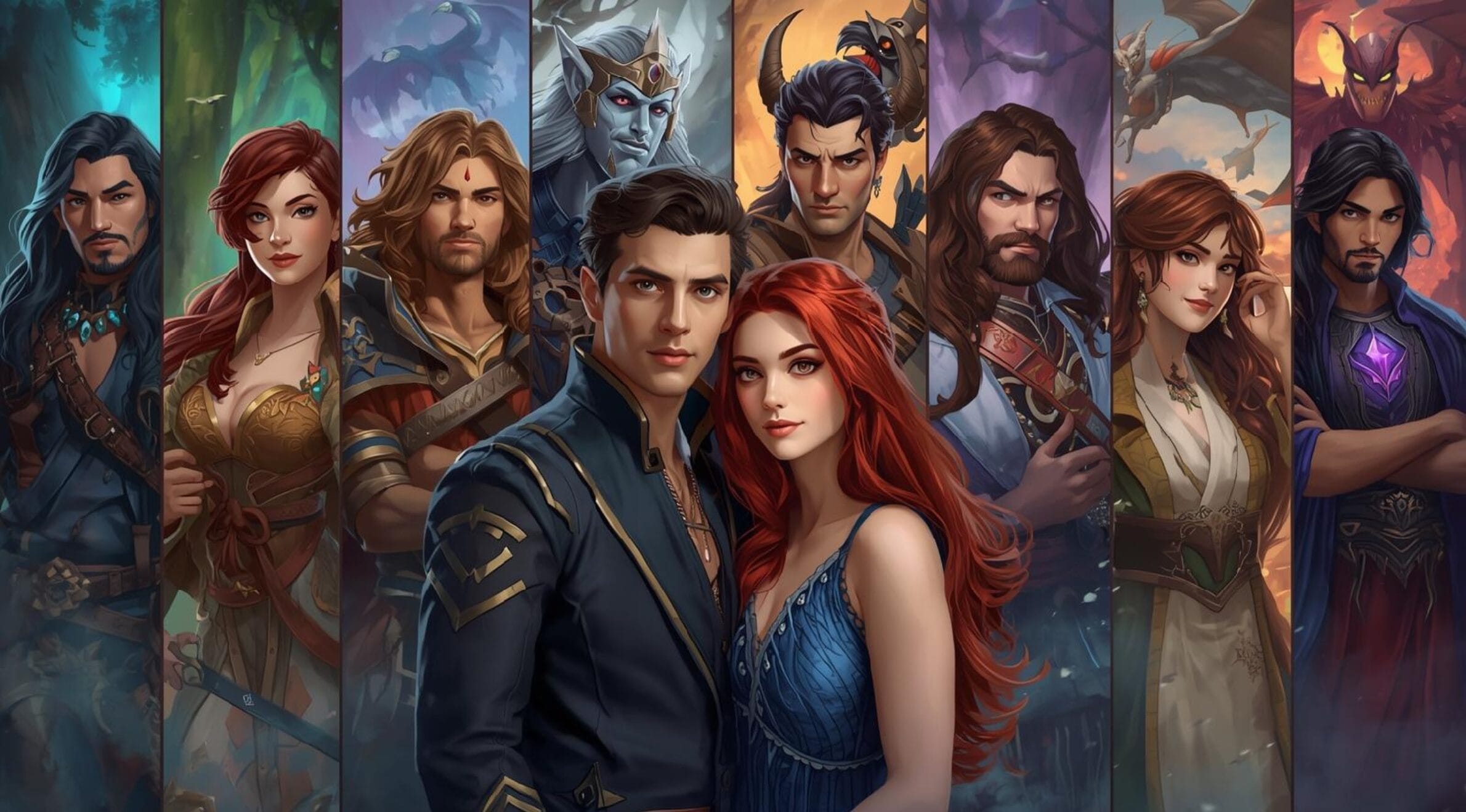
Most romantasy stories rely on a small set of recurring archetypes that interact in useful ways. These roles show up repeatedly because they create tension and emotional payoff.
The key is function. Each archetype should contribute to both the relationship and the plot. If a character only serves one side, the story can start to feel uneven.
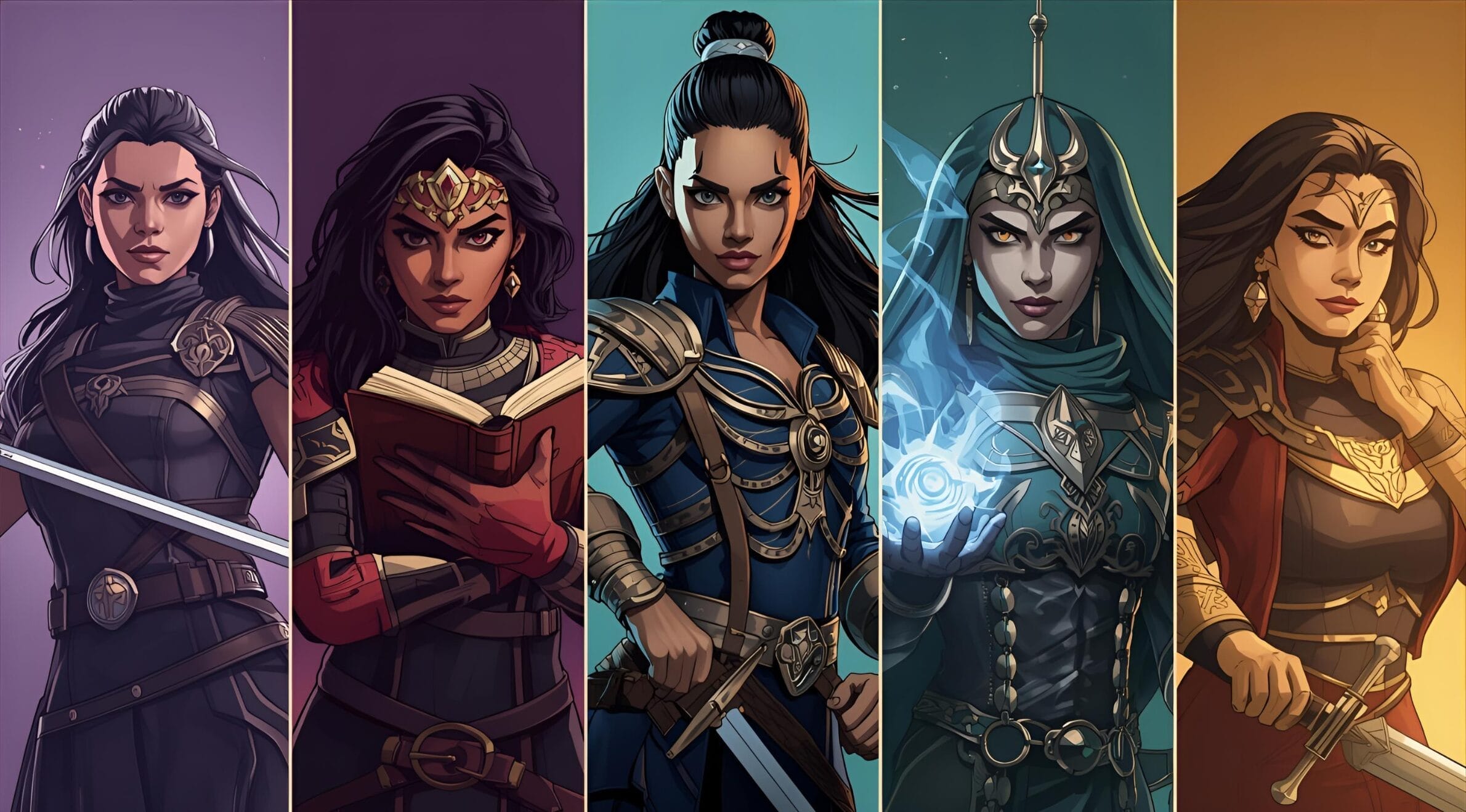
The Catalyst Heroine (Not Always the “Strong Female Lead”)
The catalyst heroine is defined by impact, not labels. She changes situations, forces decisions, and pushes the story out of its starting state.
This is where many characters weaken. They may be described as strong, but they do not actually influence outcomes. They respond instead of disrupt.
When that happens, pacing slows and the romance loses momentum because nothing is actively pushing the story forward.
For a deeper look at building heroines who shape the story, see creating strong female characters in fantasy romance.
The Bound Power Hero (Protector, Rival, or Threat)
This archetype holds some form of power the heroine does not. That imbalance creates immediate tension.
The role works best when that power cuts both ways. The character can protect, but also challenge or obstruct. That contrast is what keeps the relationship dynamic.
This is one reason morally gray characters are so common in the genre. A mix of conflicting traits keeps scenes less predictable and helps sustain tension across the story.
The Moral Mirror (Foil Character)
The moral mirror challenges the protagonist’s thinking. This character reflects different values, forcing the main character to question choices and beliefs.
Without this role, growth can feel shallow. Nothing is actively pushing the protagonist to change, so development becomes passive.
This is often where emotional depth is built, because it adds pressure that the external plot alone cannot provide.
The Emotional Antagonist vs. External Villain
Romantasy often separates two types of conflict.
The external villain drives the stakes of the world. The emotional antagonist creates tension within the relationship.
A common mistake is combining both into one role without enough variation. That can flatten the story because all conflict comes from the same source.
Separating these roles allows tension to build on multiple levels at once.
The Forbidden Connector (Magic, Fate, or Bond)
This archetype links the romance directly to the fantasy elements. It might be a magical bond, prophecy, or shared power.
This is where stakes can rise quickly. The relationship becomes tied to something larger than personal choice.
Many popular dynamics in the genre rely on this structure. For example, magical bonds and mate connections work because they connect emotional decisions to external consequences.
How Romantasy Archetypes Work Together
Characters do not operate independently. They create pressure on each other, and that pressure keeps the story moving.
Many stories lose strength when characters are built individually but not designed to interact in a meaningful system.
The Dual-Arc Structure (Romance + External Conflict)
Each major character supports two arcs: the relationship arc and the external plot.
When one side is underdeveloped, the imbalance is noticeable. A strong romance with weak stakes feels disconnected. A strong plot with weak emotional change feels thin.
Definition: A dual-arc structure means a character’s role contributes to both emotional progression and external conflict at the same time.
Archetype Pairings That Drive Tension
Certain combinations naturally create stronger dynamics because their roles conflict.
- Catalyst heroine + reluctant protector
- Rebel + authority figure
- Idealist + morally gray strategist
A common issue is pairing characters who function too similarly. Without contrast, tension drops and scenes lose energy.
Why Certain Archetypes Dominate the Genre
Some archetypes appear repeatedly because they create the kind of tension that carries across both plot and romance.
Power imbalance, moral conflict, and forced proximity all help sustain engagement. These elements keep the story active even in quieter scenes.
This matters even more in longer stories or series, where tension has to hold over time.
How to Make Archetypes Feel Original
Originality comes from execution, not from abandoning structure. The goal is to adjust how archetypes behave, not remove them entirely.
Shift the Power Dynamic
Change who holds control in key moments. Even small shifts can reshape how a scene plays out.
If control never changes hands, the outcome becomes predictable and tension fades.
Break Expected Emotional Responses
Let characters react in ways that do not follow the expected pattern. This creates variation and keeps interactions from feeling repetitive.
When every reaction follows the trope exactly, scenes lose impact because readers can anticipate every beat.
Combine or Split Archetypes
One character can fulfill multiple roles, or one role can be shared across several characters.
This adds complexity and creates more opportunities for conflict and shifts in alignment.
Let the Archetype Evolve
Characters should change as the story progresses. Their role at the beginning should not be identical to their role at the end.
When roles stay static, the story struggles to build toward a satisfying resolution.
Common Mistakes Writers Make
- Focusing on personality instead of function
- Copying popular character types without understanding their role
- Building characters in isolation instead of as a system
- Relying on tropes without structural support
These issues often appear together. The story has recognizable pieces, but they are not working toward the same outcome.
Building Characters Readers Actually Remember
Memorable characters create tension and change because of it. They are placed under pressure, make decisions, and deal with the consequences.
Characters who are forced to act tend to be more engaging than those who remain reactive.
When archetypes are clearly defined and actively interacting, the story holds attention more effectively.
Key Takeaways
- Archetypes define what characters do, not just who they are.
- Romantasy characters should support both romance and plot.
- Tension comes from conflicting roles.
- Execution matters more than novelty alone.
- Character systems matter more than isolated traits.
Conclusion
Flat romantasy characters usually come from unclear roles. When characters are built around tropes without structure, the story loses tension and direction.
Defining archetypes changes how everything functions. It strengthens pacing, sharpens conflict, and makes relationships feel earned instead of forced.
This is where many writers get stuck, and it is also where meaningful improvement starts.
Maizie Bennett’s approach to fantasy romance focuses on character roles that actively drive both emotion and plot. That emphasis helps create stories where tension builds naturally and carries through each stage of the narrative.
If your characters feel repetitive or your story lacks momentum, this is a strong place to start. Strengthening archetype roles is a practical step that can improve how the entire story works.
FAQ
What are romantasy character archetypes?
They are roles that define how characters create tension and move the story forward. These roles shape both the romance and the external plot, making them central to how the story functions.
How are archetypes different from tropes in romantasy?
Tropes are familiar setups, while archetypes define what characters do within those setups. Strong stories rely on clear roles, not just recognizable scenarios.
What is the most common romantasy character type?
A frequent pairing is a disruptive heroine and a powerful or morally complex love interest. This combination creates tension across both emotional and plot-driven arcs.
How do you make fantasy romance characters unique?
Adjust how the archetype behaves. Changing power dynamics, reactions, or character growth creates variation without losing structure.
What is a morally gray love interest?
It is a character whose actions and values are not clearly good or bad. That ambiguity creates tension because their goals do not fully align with the protagonist’s.
Do all romantasy stories need the same archetypes?
No, but most use variations of core roles because they reliably create tension and emotional payoff. Understanding them makes it easier to adapt or challenge them effectively.