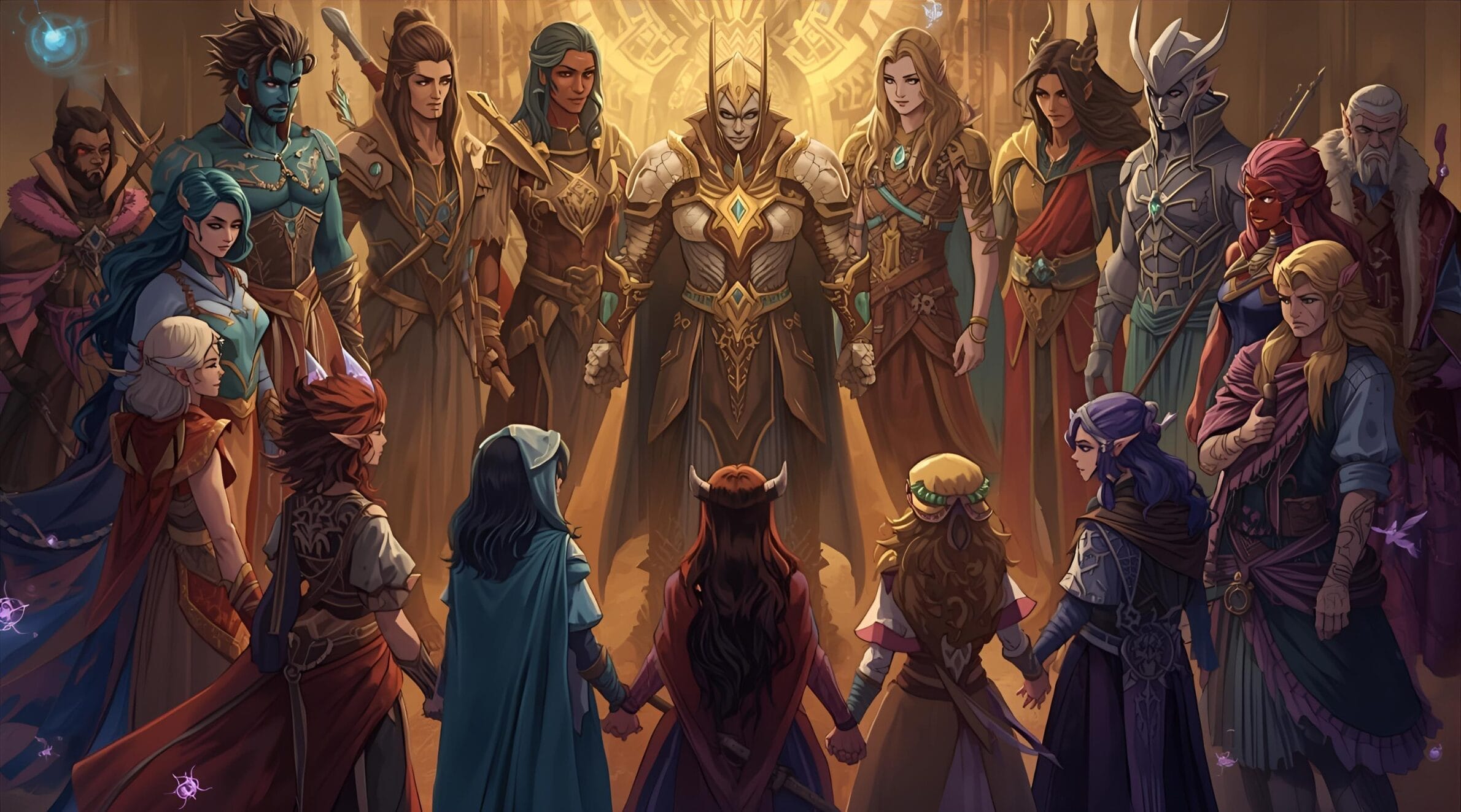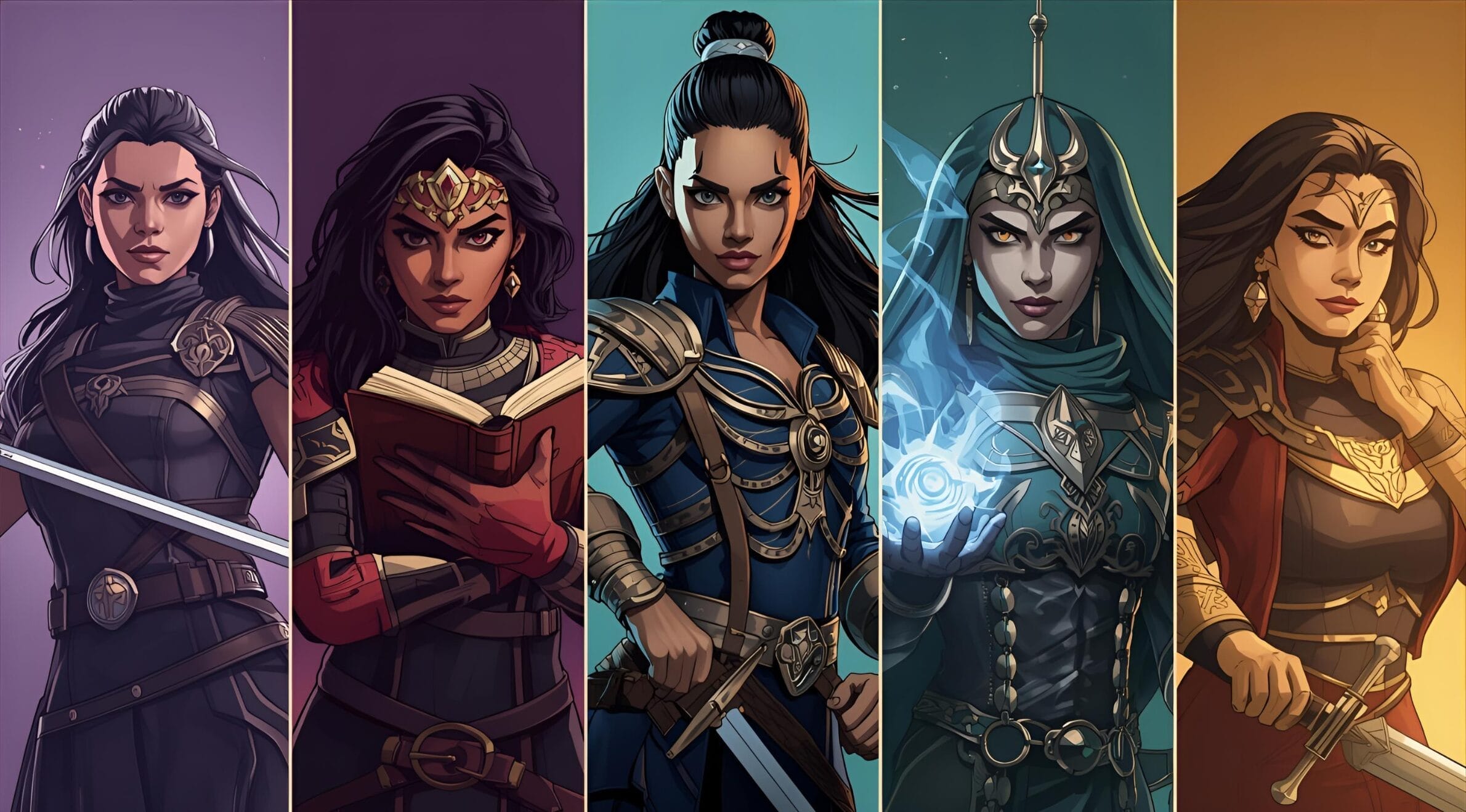


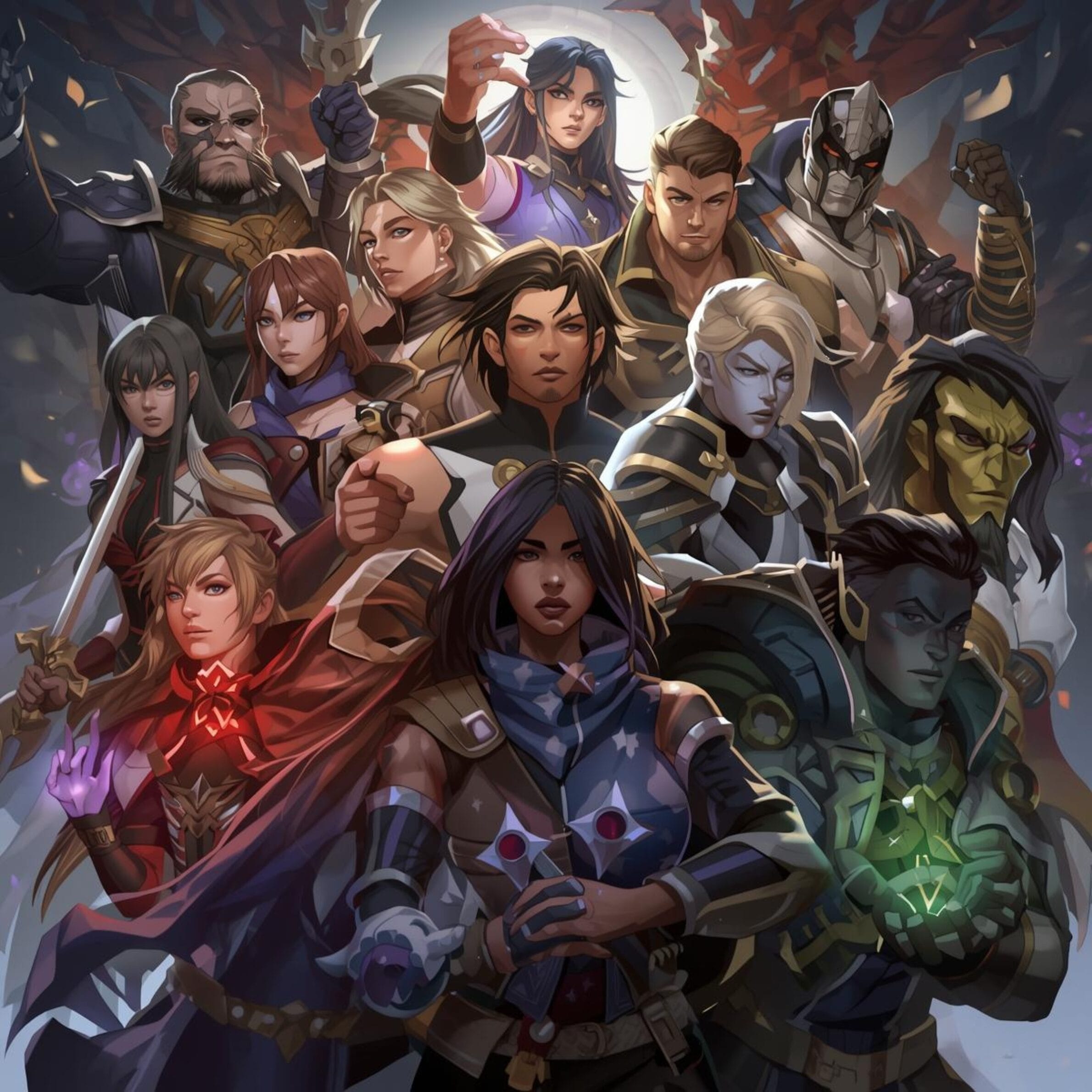


Side characters can make or break a fantasy romance. The best ones add depth, humor, tension, and emotional stakes. They make your world feel lived-in and real. They give readers more people to love.
But side characters are tricky. Make them too bland and readers forget they exist. Make them too interesting and they steal the spotlight from your main couple. Give them too much page time and your romance suffers.
When I started writing my fantasy romance series with multiple important side characters, I had to figure out how to make each one memorable and meaningful without turning my romance into an ensemble cast story.
Here’s what I’ve learned about creating side characters that readers remember long after finishing your book.
What Makes a Side Character Memorable?
Memorable side characters share certain qualities:
They have distinct personalities – You can tell them apart in dialogue without tags
They serve a purpose – They’re in the story for a reason, not just decoration
They feel real – They have lives, motivations, and problems beyond the main plot
They enhance the story – They make the romance or plot stronger, not weaker
They’re consistent – Their characterization doesn’t change randomly
The key I discovered: Side characters need enough development to feel real, but not so much development that they compete with your main romance for reader attention.
Types of Side Characters in Romantasy
Different side characters serve different functions in your story.
The Best Friend/Confidant:
- Provides emotional support and advice
- Someone main character can talk to honestly
- Often delivers hard truths or comic relief
- Helps readers understand main character’s feelings
The Mentor/Wise Figure:
- Provides guidance or training
- Represents wisdom or experience
- May push main character toward growth
- Can be ally or complicating factor
The Comic Relief:
- Lightens dark or tense moments
- Provides levity and fun
- Should have depth beyond just being funny
- Can still have serious moments
The Rival/Antagonist:
- Creates conflict or competition
- Not the main villain but causes problems
- May have legitimate grievances
- Could become ally later
The Family Member:
- Provides backstory and context
- Shows different side of main character
- Can create obligations or conflicts
- Grounds character in relationships
The Love Interest’s Circle:
- Friends/family of the love interest
- Show what they value and who they are
- May complicate or support the romance
- Provide perspective from other side
What I learned while writing: Each side character should primarily serve one function, but the best ones can serve multiple purposes without feeling overcrowded.
Making Side Characters Distinct
The biggest challenge I faced: making sure readers could tell my side characters apart.
What’s worked for me:
Give Each a Unique Voice
Every character should sound different when they speak:
- Word choice and vocabulary
- Sentence length and rhythm
- Topics they talk about
- How formal or casual they are
- Unique phrases or speech patterns
Test: Can you tell who’s speaking without dialogue tags? If not, their voices need more distinction.
Give Each a Defining Trait or Two
Not stereotypes, but memorable characteristics:
- Personality quirks
- Unusual skills or knowledge
- Distinctive appearance details
- Behavioral patterns
- How they react under stress
The key: Make the traits specific and consistent, not just labels like “the funny one.”
Give Each Different Relationships
Characters should relate to the main character (and each other) differently:
- One might tease, another might worry
- Different conflict styles
- Different levels of trust or intimacy
- Unique shared history or experiences
This prevents them from feeling interchangeable.
The Balance: Enough Development, Not Too Much
This is where I struggled most: how much development is enough?
What I’ve discovered:
Side Characters Get Moments, Not Arcs
Main characters get full arcs. Side characters get moments that reveal character:
- A choice that shows their values
- A reaction that reveals their fears
- A conversation that deepens their relationship
- A scene where they shine
These moments add up to a sense of who they are without requiring full subplot arcs.
Their Problems Support Your Plot
Side characters can have problems, but those problems should:
- Connect to the main plot somehow
- Affect the main character’s journey
- Not require extensive page time to resolve
- Feel meaningful but not central
Example: A side character’s family trouble can create tension and show themes, but you don’t need chapters of their family drama unless it directly impacts the romance.
Show, Don’t Tell (But Efficiently)
You don’t need long backstory dumps. Show character through:
- How they react to events
- What they notice or care about
- How they treat others
- Small details that accumulate
- Dialogue that reveals history naturally
What I learned: A few specific, vivid details work better than paragraphs of explanation.
Side Characters and Your Romance
Side characters should enhance your romance, not compete with it.
Ways side characters can support romance:
They Provide Outside Perspective
Friends can:
- Notice the attraction before main characters admit it
- Call out behavior or denial
- Give advice (good or bad)
- React to the relationship developing
This helps readers feel the romance from multiple angles.
They Create Romantic Obstacles
Side characters can complicate romance naturally:
- Disapprove of the relationship
- Have needs that conflict with romance
- Know secrets that create tension
- Represent obligations or loyalties
These obstacles feel real when they come from developed characters.
They Show Different Sides of Your Leads
How main characters interact with side characters reveals:
- Their values and priorities
- Their history and relationships
- Their vulnerabilities or strengths
- Their growth over time
A character who’s guarded with everyone except their best friend tells us something important.
They Raise the Stakes
When readers care about side characters, threats to them matter:
- Danger to a friend creates real tension
- Protecting loved ones creates conflict
- Losing a side character has emotional impact
But this only works if readers actually care about them.
Common Mistakes Creating Side Characters
Mistake #1: Making Them All the Same
If all your side characters have the same personality, speech pattern, or function, they blur together.
Fix: Give each distinct voice, purpose, and personality.
Mistake #2: No Flaws or Conflicts
Perfect side characters who only exist to support the main character feel flat.
Fix: Give them flaws, needs, and occasional conflicts with the main character.
Mistake #3: Too Much Backstory
Readers don’t need every side character’s full history.
Fix: Reveal backstory only when relevant and in small doses.
Mistake #4: They Disappear When Not Useful
Characters who only show up when the plot needs them feel like plot devices.
Fix: Give them consistent presence even in small ways. Mention them, show them doing things, keep them part of the world.
Mistake #5: They Steal the Spotlight
When side character plots become more interesting than the main romance, you’ve gone too far.
Fix: Keep side character moments impactful but brief. Always return focus to your main couple.
Making Readers Care About Side Characters
You want readers invested in your side characters, but how?
What I’ve found helps:
Give Them Vulnerable Moments
Readers connect with vulnerability:
- Admitting fears or insecurities
- Showing pain or struggle
- Making difficult choices
- Revealing what they care about
These moments don’t require long scenes, just genuine emotion.
Let Them Surprise Us
Predictable characters are forgettable. Show unexpected:
- Depths or complexities
- Skills or knowledge
- Reactions or choices
- Growth or change
The best side characters have layers readers discover gradually.
Give Them Relationships Beyond the MC
Side characters should have connections with each other:
- Friendships or tensions
- Shared history
- Their own dynamics
- Interactions that don’t involve main character
This makes the world feel real and them feel like full people.
Show Them Changing (Subtly)
Side characters don’t get full arcs, but they can show growth:
- Shifting opinions or relationships
- Learning from experiences
- Developing through the story
- Reacting to plot events in ways that show change
Small evolution makes them feel dynamic.
Questions to Ask About Each Side Character
When developing side characters, I ask myself:
About their purpose:
- Why is this character in my story?
- What function do they serve?
- How do they affect the plot or romance?
- What would be missing without them?
About their personality:
- What makes them unique from other characters?
- How do they speak differently?
- What do they care about most?
- What are their flaws?
About their development:
- What’s the most important thing readers need to know about them?
- What moments will reveal their character?
- How much page time do they need?
- Are they stealing too much focus?
About their relationships:
- How do they relate to the main character?
- How do they relate to other side characters?
- How do they affect the romance?
- Do they have life outside main character’s orbit?
Bringing It All Together
Creating memorable side characters is about finding the sweet spot: developed enough to feel real and matter to readers, but not so developed that they overshadow your main romance.
What I’ve learned through my own writing:
- Give each character a distinct voice and purpose
- Develop them through moments rather than arcs
- Make sure they enhance the romance, not compete with it
- Show vulnerability and depth efficiently
- Keep them consistent and present
- Let them surprise readers
- Give them relationships beyond just the main character
The best side characters feel like they could be the protagonist of their own story—but in your book, they’re perfectly content supporting someone else’s romance.
I’m still learning how to balance development with page time, how to make every side character count without overcrowding my story. But I’ve found that when I treat side characters as real people with their own motivations and lives—while keeping the romance at the center—they naturally become the kind of characters readers remember.
Because a great romance isn’t just about the couple. It’s about the world around them, the people who love them, challenge them, and make their journey matter.
And memorable side characters are what bring that world to life.