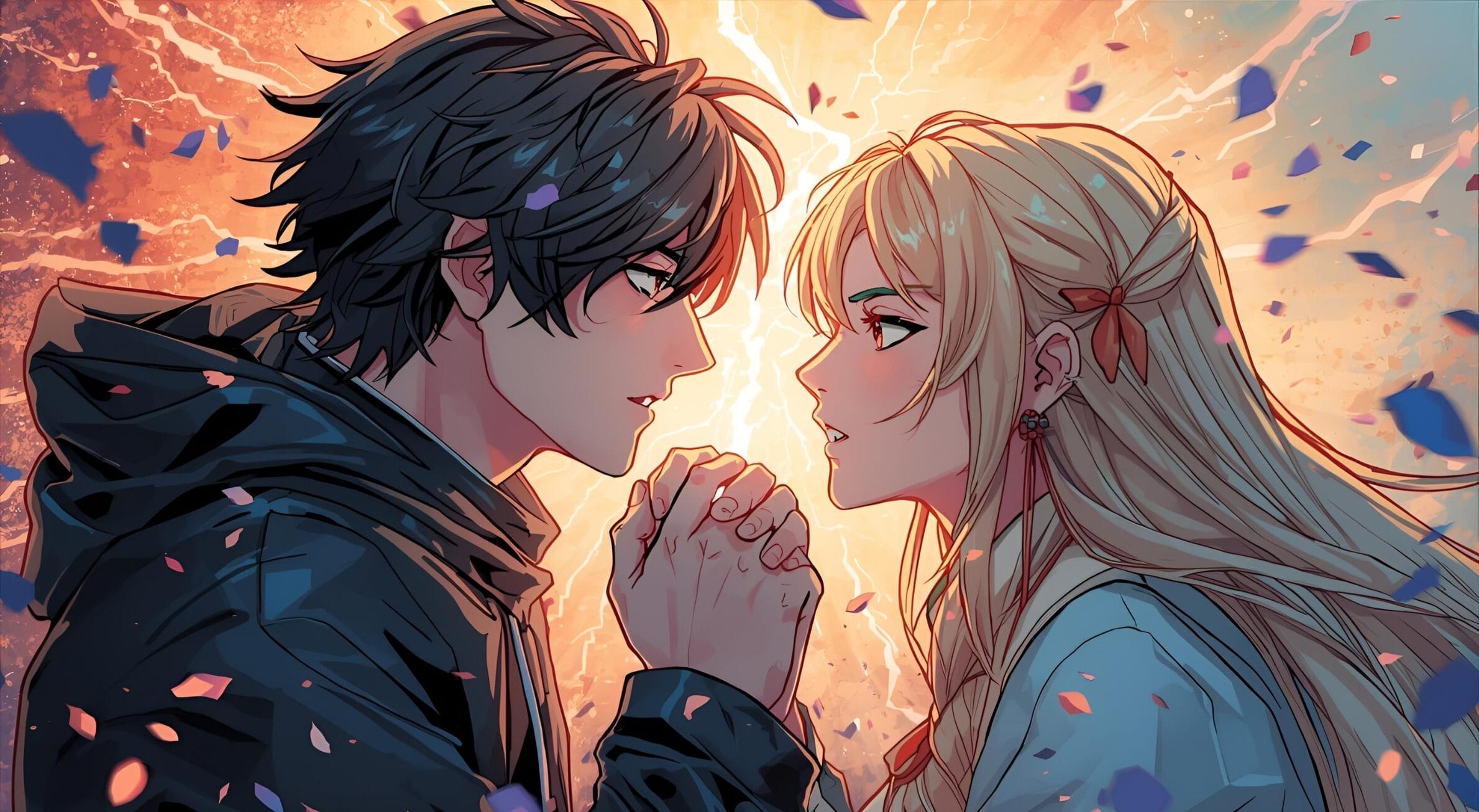




Quick Answer: A romantasy first chapter usually falls flat when it delays emotional connection or clear stakes. The opening should establish both romantic tension and narrative momentum early, or readers may lose interest before the story takes hold.
What Readers Expect from a Romantasy First Chapter
Romantasy readers usually want two things right away: emotional pull and story momentum. When one is missing, the opening can feel unbalanced.
A common problem is leaning too far in one direction. Some openings focus heavily on worldbuilding without giving the reader an emotional anchor. Others stay in the character’s thoughts without showing what matters in the scene. In both cases, the story can feel slow because nothing is pushing it forward.
What works is a clear dual promise:
- Emotional connection that hints at romance
- Narrative tension that shows something is at stake
That balance is what many readers expect from the genre. When it is missing, engagement tends to drop quickly.
Balancing Romance and Fantasy from Page One
The romantic thread does not need to be fully introduced in the first chapter, but the tone should be there. That can show up as attraction, tension, conflict, longing, or even resistance.
One frequent issue in early drafts is holding back on relationship dynamics in an effort to set up the world first. That often creates distance. Without an early emotional signal, readers have less to connect to, and the opening can feel flat.
Why Many First Chapters Fail to Hook
Problems often start here:
- Too much exposition before the scene gains momentum
- No clear stakes or urgency
- No emotional anchor to ground the reader
When that happens, the reader is processing information instead of experiencing a story. That shift is often where interest starts to fade.
If this sounds familiar, the issue is often structural. The scene is not doing enough work yet. A stronger approach to crafting a strong opening scene can help sharpen the chapter early.
The 5 Essential Elements of a Strong Romantasy Opening
- A character with immediate emotional tension: The reader should quickly understand what the character wants, fears, or is struggling with. Without that, the scene can feel directionless.
- A hint of the romantic arc: This can be subtle, but it should be present. If there is no signal of romance, readers may start questioning what kind of story they are in.
- A clear sense of stakes or danger: Something needs to feel at risk. It does not have to be life-or-death yet, but it has to matter.
- Controlled worldbuilding: Include details that affect the current moment. Extra information can slow pacing and weaken focus.
- A question the reader wants answered: Curiosity creates momentum. If nothing is pulling the reader forward, the chapter can stall.
This combination works because it gives readers clarity, emotion, and direction at the same time. When one of these pieces is missing, the opening often feels incomplete.
Worldbuilding is where many openings lose momentum. Too much too early slows everything down. A clearer approach is outlined in world-building tips for romantasy writers.
Proven First Chapter Structures for Romantasy
Strong openings often follow recognizable patterns. Using one of these structures can give the chapter a clear shape instead of relying on instinct alone.
In Medias Res (Starting with Action)
This drops the reader into an active moment. It works well when the story begins with strong external conflict.
The risk is confusion. If the reader does not understand who the character is or why the moment matters, the action can feel empty. Action without context rarely holds attention for long.
Quiet Tension with Emotional Pull
This approach focuses on character first. It builds connection before expanding into larger stakes.
It is often effective in romantasy because it anchors the reader emotionally. When the reader cares about the character early, the rest of the story carries more weight.
The Disruption Opening (Normal to Interrupted)
This starts with a sense of normal, then breaks it.
This structure works because it creates contrast. The reader sees what the character’s world looks like, then quickly understands what is changing. That shift naturally creates tension.
Common Mistakes That Weaken Romantasy Openings
- Info-dumping the fantasy world: This can overwhelm the reader before they care about anything.
- Delaying the romantic thread: Without early signals, the story can feel out of step with genre expectations.
- Starting too far from the inciting incident: Nothing feels urgent, so the pacing drags.
- Lack of clarity or stakes: If the reader does not understand what matters, they disengage.
Many writers try to explain everything upfront, but that usually slows pacing and weakens impact. Clarity comes from context, not volume.
If you are seeing more than one of these issues, the chapter likely needs more than a line edit. It usually needs restructuring.
If your first chapter feels slow or disconnected, start here:
- You are explaining more than you are dramatizing
- Your character has no clear goal in the scene
- The romantic dynamic is not hinted at early
- Nothing feels urgent or at risk
If two or more of these are present, the opening likely needs another revision pass.
How to Write a Hook That Fits the Romantasy Genre
A strong hook in romantasy does more than grab attention. It sets tone, emotion, and direction at the same time.
Voice-Driven Hooks
This approach relies on a distinct narrative voice to pull the reader in.
It works when the voice reveals tension, attitude, or desire right away. If it is only descriptive without conflict, it tends to fade quickly.
Conflict-Driven Hooks
This introduces a problem immediately.
It gives the reader something to focus on and creates forward movement. When the conflict connects to the character’s internal state, it becomes even stronger.
Romantic Intrigue Hooks
This signals relationship tension early.
It does not require both characters to be on the page, but it should hint at the dynamic. When this is clear, readers know what emotional thread to follow.
This connects directly to how readers invest in relationships. Strong chemistry is usually built early, not saved entirely for later. A deeper look at that process is covered in making readers ship your couple.
How to Revise Your Romantasy First Chapter for Maximum Impact
Most weak openings are not fixed by adding more. They usually improve when unnecessary material is removed and the key moments are sharpened.
What to Cut
Remove backstory, explanations, and setup that do not affect the current scene.
This is where drafts often become overloaded. Too much context slows pacing and buries the actual story.
What to Amplify
Strengthen emotion, stakes, and unanswered questions.
These are the elements that keep readers engaged. When they are clear, the story feels active even in quieter scenes.
How to Test Your Opening
Use simple checks:
- Is there a clear emotional anchor on the first page?
- Do you understand what is at risk?
- Is there a reason to keep reading?
If any of these are missing, the chapter probably needs more revision before it is ready.
Key Takeaways
- A strong romantasy first chapter introduces both romance and stakes early
- Emotional tension and curiosity help keep readers engaged
- Too much worldbuilding can weaken pacing
- Reliable opening structures can make the chapter clearer and more effective
- Revision works best when focused on cutting and sharpening
Conclusion
Most first chapters do not fall short because the idea is weak. They struggle because the opening delays tension, clarity, or emotional connection.
When readers do not see what matters early, they stop investing. When the story takes too long to signal romance or stakes, it loses momentum. That is where many openings break down.
The fix is practical. Build around character tension, introduce the emotional and narrative stakes early, and cut anything that slows the scene down.
Maizie Bennett’s approach to romantasy emphasizes that balance. Strong emotional connection paired with clear story momentum is what helps keep readers engaged from the first page.
If your opening is not working yet, the next step is to revise with that focus. Strengthen what matters, remove what does not, and make sure the reader has a clear reason to stay.
FAQ
What should happen in the first chapter of a romantasy novel?
The first chapter should introduce emotional tension, hint at the romantic arc, and establish stakes. Readers want to understand both what the character feels and what is at risk. If either is missing, the opening can feel incomplete.
How do you hook readers in a fantasy romance?
A strong hook combines emotional tension, clear stakes, and an unanswered question. This creates curiosity and forward movement. If the opening lacks one of these, it may feel flat. Adding conflict or tension early usually strengthens the hook.
Should the love interest appear in the first chapter?
No, but the romantic direction should be clear. Readers look for early signals of relationship dynamics. If there is no indication of romance, the story can feel out of step with expectations. The emotional thread should be visible from the start.
How much worldbuilding should be in the first chapter?
Only include what supports the current scene. Too much detail slows pacing and makes the story harder to follow. If the information does not affect what is happening right now, it can usually be introduced later.
What is the biggest mistake in a first chapter?
Starting with too much exposition and not enough tension. When readers do not see why the scene matters, they disengage. Clear stakes and conflict should appear early to give the story direction.
How long should a romantasy first chapter be?
Length matters less than pacing. The chapter should be long enough to establish a hook and short enough to maintain momentum. If it feels slow, the issue is usually structure rather than word count.