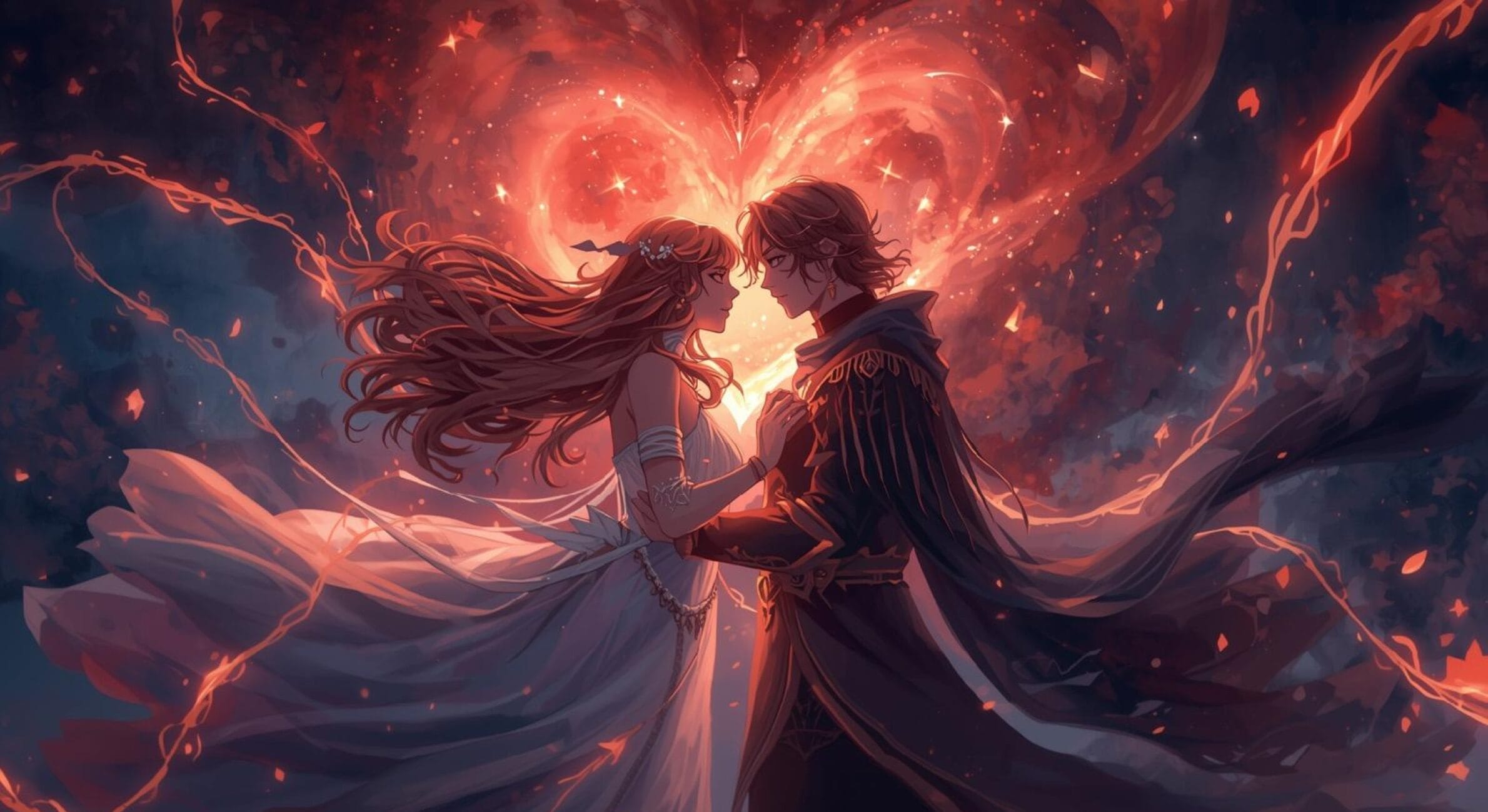



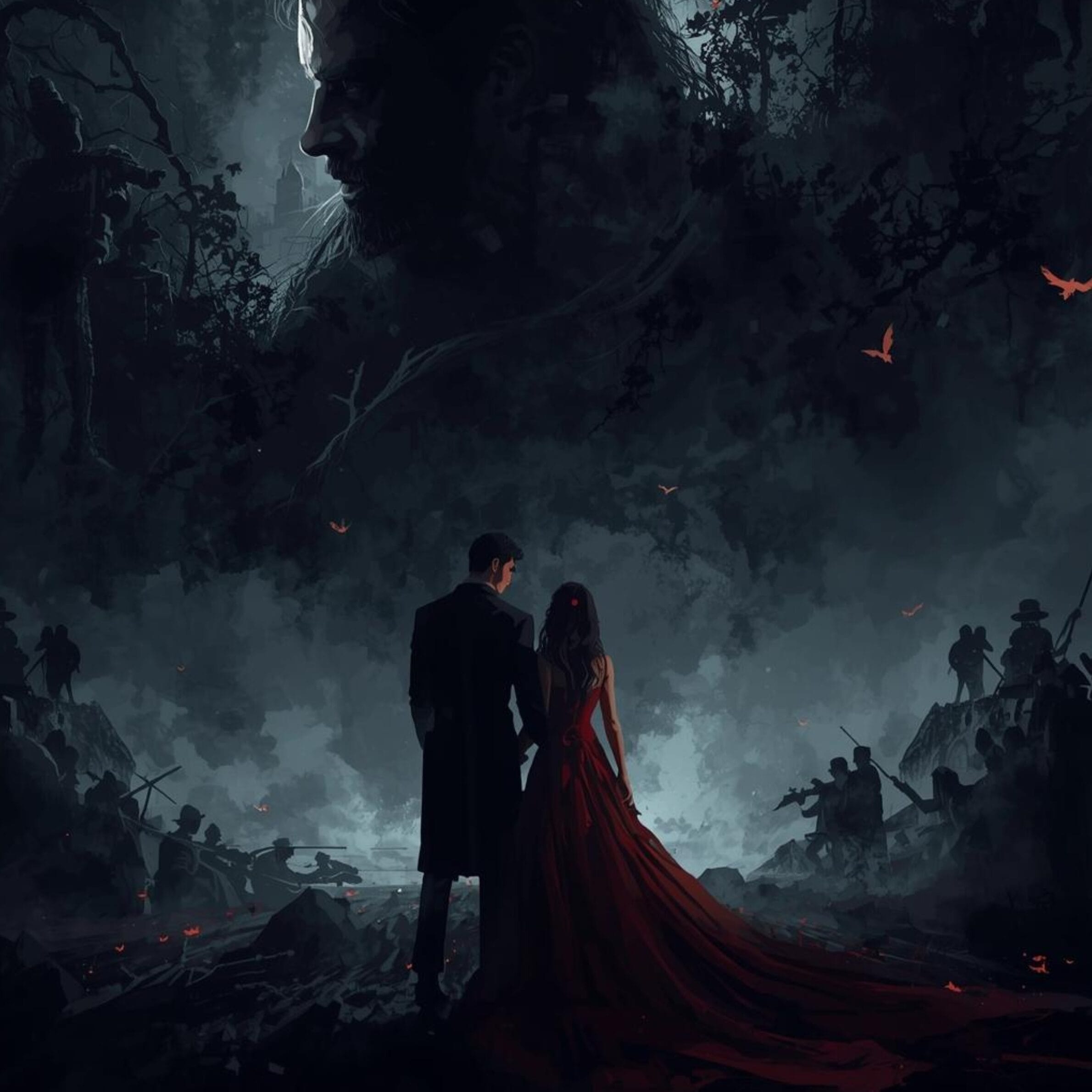
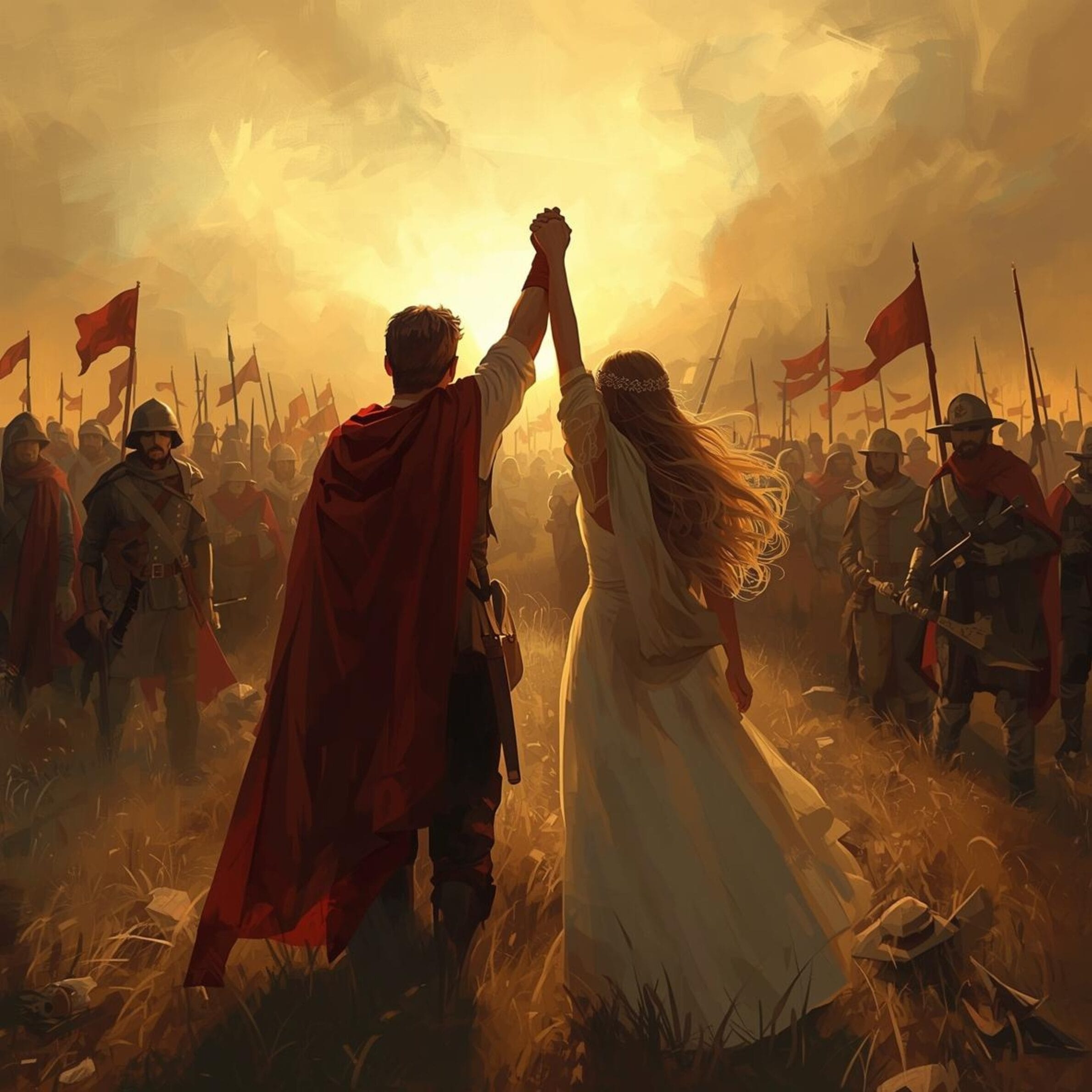

Forbidden love is one of fantasy romance’s most enduring tropes. From Romeo and Juliet to modern romantasy, we keep coming back to stories where the couple absolutely shouldn’t be together.
But why? What is it about forbidden love that makes it so compelling?
After reading countless fantasy romances with this trope (and writing one myself), I’ve been thinking about what makes forbidden love work—and why we can’t get enough of it.
The Core Appeal: “We Shouldn’t, But We Will”
At its heart, forbidden love creates a specific kind of tension that’s hard to replicate with other tropes.
It’s the push and pull. The characters want each other, but external forces say they can’t have each other. Every interaction becomes charged with that conflict. Every touch is dangerous. Every moment together is stolen.
That tension is intoxicating to read.
In a regular romance, the obstacles are usually internal—trust issues, past trauma, miscommunication. Those are great, but they don’t have quite the same urgency as external prohibition.
When love is forbidden, there’s always a clock ticking. There’s always someone who could discover them. There’s always a consequence looming.
Every moment matters more because it might be their last.
Why External Obstacles Work So Well
Here’s something I’ve noticed about forbidden love: it creates conflict that doesn’t require the characters to be stupid or make frustrating choices.
In some romances, the obstacles feel manufactured. Characters don’t communicate when they obviously should. They make decisions that don’t make sense just to create drama.
But with forbidden love, the obstacle is real and external. The characters can be smart, reasonable, and mature—and still face genuine barriers to being together.
Types of forbidden love obstacles:
Cultural/Species Divisions: Different groups who are enemies, have historical conflict, or are taught to distrust each other. Think sirens and their natural enemies, fae and humans, vampires and werewolves.
Political Barriers: Rival kingdoms, opposing factions, treaties that would be broken. Love becomes treason.
Social Class: Royalty and commoner, rich and poor, powerful and powerless. Love threatens the social order.
Magical Restrictions: Curses that prevent relationships, magic that forbids certain pairings, prophecies that doom them.
Family Opposition: Not just “my parents don’t approve” but genuine blood feuds, vendettas, or family obligations that make the relationship impossible.
The key is that these obstacles exist outside the relationship. The couple isn’t the problem—the world around them is.
The Tension of Secrecy
One element that makes forbidden love so compelling: the secrecy.
When a relationship has to be hidden, every interaction takes on new weight.
Stolen moments become precious. A brief touch in a crowded room. A whispered conversation when no one’s looking. Meeting in secret while risking discovery.
These moments feel more intimate because they’re dangerous. Because the characters are choosing each other despite the risk.
The secrets create delicious tension:
- Will they be discovered?
- How long can they hide?
- What will happen when the truth comes out?
- Who will betray them?
Readers know the secret can’t stay hidden forever. That anticipation—waiting for the inevitable revelation—keeps us on edge.
Higher Stakes Mean Greater Satisfaction
This is the big one: when the obstacles are higher, the payoff is better.
If falling in love is easy, the happily ever after feels nice. But if falling in love could cost them everything—their family, their position, their people’s safety, their lives—then choosing love anyway becomes an act of courage.
The sacrifice makes it mean more.
When a character chooses their forbidden love over duty, safety, or loyalty to their people, we feel the weight of that choice. We understand what it costs them. And that makes their love feel more real, more powerful, more earned.
The best forbidden love stories make us believe that this love is worth the cost. That these two people matter to each other more than anything else in the world.
The Romeo and Juliet Effect (Done Right)
We’ve all read (or heard about) Romeo and Juliet. Star-crossed lovers from feuding families who die tragically because they can’t be together.
It’s the ultimate forbidden love story—and it’s influenced countless romances since.
But here’s what fantasy romance does differently: We get the forbidden love without the tragedy.
Fantasy romance takes the best parts of the Romeo and Juliet dynamic—the family opposition, the secrecy, the high stakes, the “everyone says we shouldn’t”—and then gives us what we really want: a happy ending where love actually wins.
We get to have our cake and eat it too. All the delicious tension and danger, but without the heartbreak.
That’s powerful. That’s satisfying in a way tragedy never quite is.
Why Forbidden Love Works Especially Well in Fantasy
Fantasy romance is uniquely suited to forbidden love because the genre allows for stakes that contemporary or historical romance can’t quite match.
In fantasy, you can make the barriers truly impossible:
- Literal magic that prevents the relationship
- Species that are natural enemies
- Ancient curses or prophecies
- Gods or fate itself opposing them
- Biological incompatibilities that have to be overcome
The forbidden element isn’t just social pressure or family disapproval—it can be baked into the very fabric of your world.
And the consequences can be apocalyptic.
In a contemporary romance, forbidden love might mean social ostracism or family disappointment. Painful, yes, but survivable.
In fantasy romance, forbidden love could start a war. Could destroy kingdoms. Could literally end the world.
Those stakes make every choice feel monumental.
The Fantasy of Transformative Love
Here’s something deeper about why forbidden love resonates: it’s about love changing the world.
Most of us don’t get to have world-changing love stories. Our relationships don’t reshape kingdoms or end ancient feuds or transform entire societies.
But in fantasy romance with forbidden love, that’s exactly what happens.
The couple’s love doesn’t just change them—it changes everything around them.
- Their love forces families to reconcile
- Their relationship challenges prejudices and breaks down barriers
- Their choice to be together reshapes laws, customs, or even magic itself
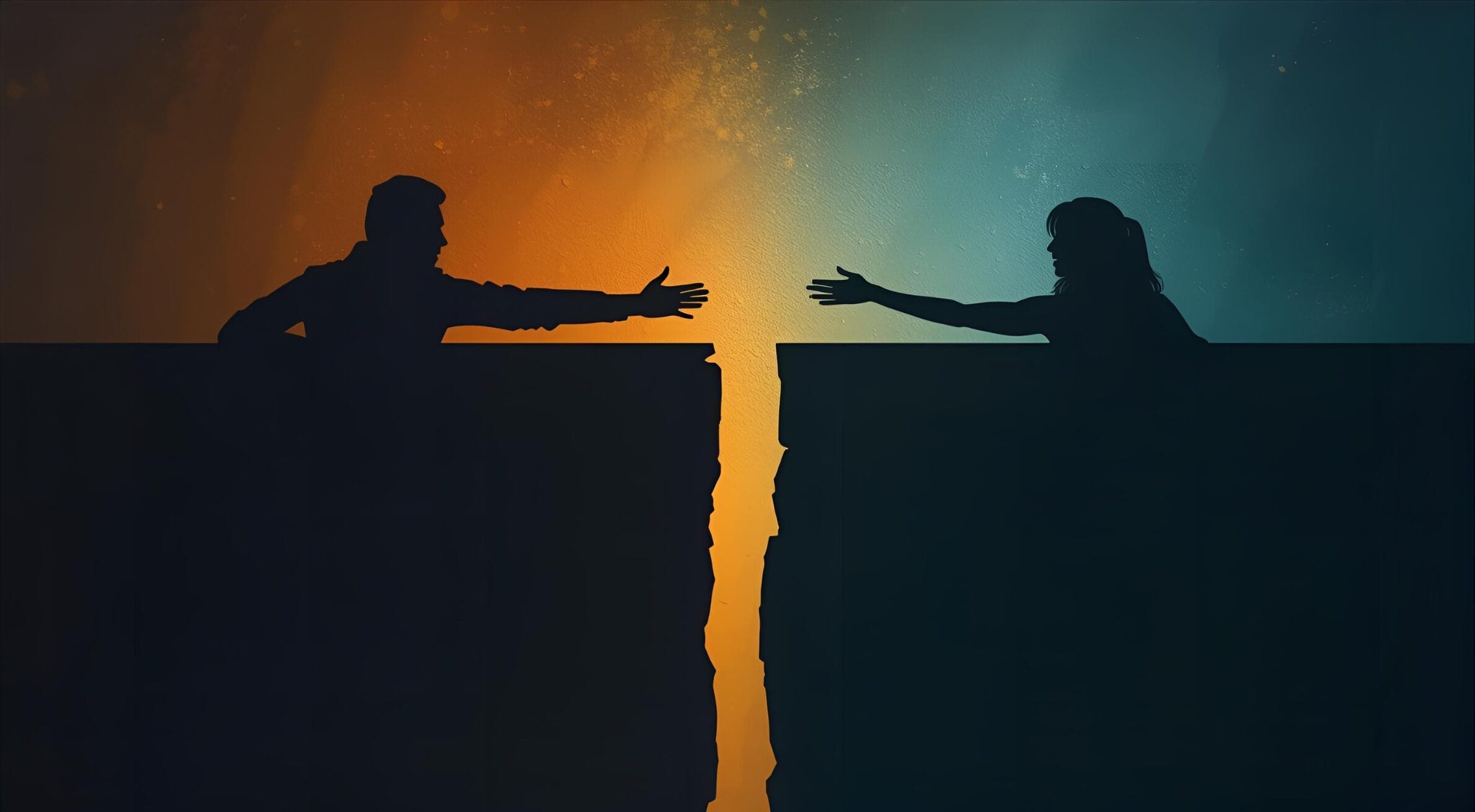
- They become bridges between divided peoples
There’s something deeply satisfying about reading love that’s powerful enough to transform not just the characters, but their entire world.
It makes love feel important. Not just a personal feeling, but a force that can change everything.
When Forbidden Love Falls Flat
Not all forbidden love stories work equally well. Here’s what I’ve noticed about when this trope doesn’t quite land:
The obstacles feel arbitrary. If we don’t understand why the relationship is forbidden, or if the reasons seem weak, the tension disappears.
The stakes aren’t clear. We need to know exactly what the characters risk by being together. Vague consequences don’t create real tension.
The characters give up too easily. If they’re not willing to fight for their love, why should we care?
Or they ignore consequences entirely. If there are supposed to be huge consequences but nothing bad ever happens, the “forbidden” part loses meaning.
The resolution is too simple. When the barriers fall away too easily at the end, the journey feels less meaningful. The forbidden love needs to actually cost something—even if what it costs is worth it.
The best forbidden love stories make us believe the obstacles are real, the stakes are high, and the love is worth every risk.
Different Flavors of Forbidden Love
Forbidden love in fantasy romance comes in many varieties:
Enemies to Lovers with Forbidden Element: They’re from opposing sides, they shouldn’t even be talking, let alone falling in love. Every interaction is a betrayal of their people.
Forbidden by Magic/Fate: The universe itself says they can’t be together. Curses, prophecies, or magical laws prevent their relationship.
Secret Relationship: They can be together privately, but revealing their love would have catastrophic consequences. The secrecy itself becomes the barrier.
Class/Power Imbalance Made Forbidden: Not just different social classes, but relationships that are explicitly forbidden by law or custom.
Doomed by Circumstance: External factors (war, duty, obligations) make the relationship impossible even though there’s no explicit rule against it.
Each variation creates different kinds of tension and requires different types of sacrifice. But they all share that core appeal: love that exists despite every reason it shouldn’t.
What Makes It Work
After thinking about this trope across dozens of books, here’s what I believe makes forbidden love so compelling:
It externalizes conflict. The barriers are real and outside the relationship, so the couple can be united against the world rather than fighting each other.
It raises the stakes. Every choice matters more when love is dangerous.
It creates urgency. The relationship feels more intense because it’s stolen, secret, or threatened.
It makes love prove itself. Characters have to actively choose their love over everything else. That makes it feel more real.
It satisfies our desire for transformative love. We get to see love that changes not just people, but entire worlds.
It gives us happily ever afters that feel earned. The couple overcame the impossible to be together. Their love survived everything the world threw at them.
Why We Keep Coming Back
Forbidden love endures as a trope because it speaks to something fundamental about romance: the idea that love is worth fighting for.
That some connections are powerful enough to overcome any obstacle. That choosing love is an act of bravery. That sometimes the right person is worth risking everything.
In our everyday lives, love is often comfortable, safe, expected. There’s nothing wrong with that—it’s beautiful in its own way.
But in fantasy romance, we get to experience love as rebellion. Love as revolution. Love as the most dangerous and most powerful force in the world.
We get to feel what it’s like when love matters so much that characters would sacrifice everything for it.
And that’s why we can’t resist forbidden love stories. They remind us that love—real, deep, transformative love—is worth every risk, every sacrifice, every impossible obstacle.
Because when two people choose each other despite the world saying they shouldn’t, that’s not just romance.
That’s triumph.