


In 28 days, A Fog of Shadows releases into the world. But this story’s journey started seven years ago, with a dream I couldn’t shake.
I want to tell you how this book came to be—not because my process is special or unique, but because I think there’s something powerful in sharing the messy, nonlinear path from “I have an idea” to “I have a published book.”
If you’re sitting on a story idea wondering if it’s worth pursuing, or if you’ve been working on something for years wondering if you should give up, maybe my journey will help.
The Dream That Started Everything
It was 2019, and I kept having the same dream.
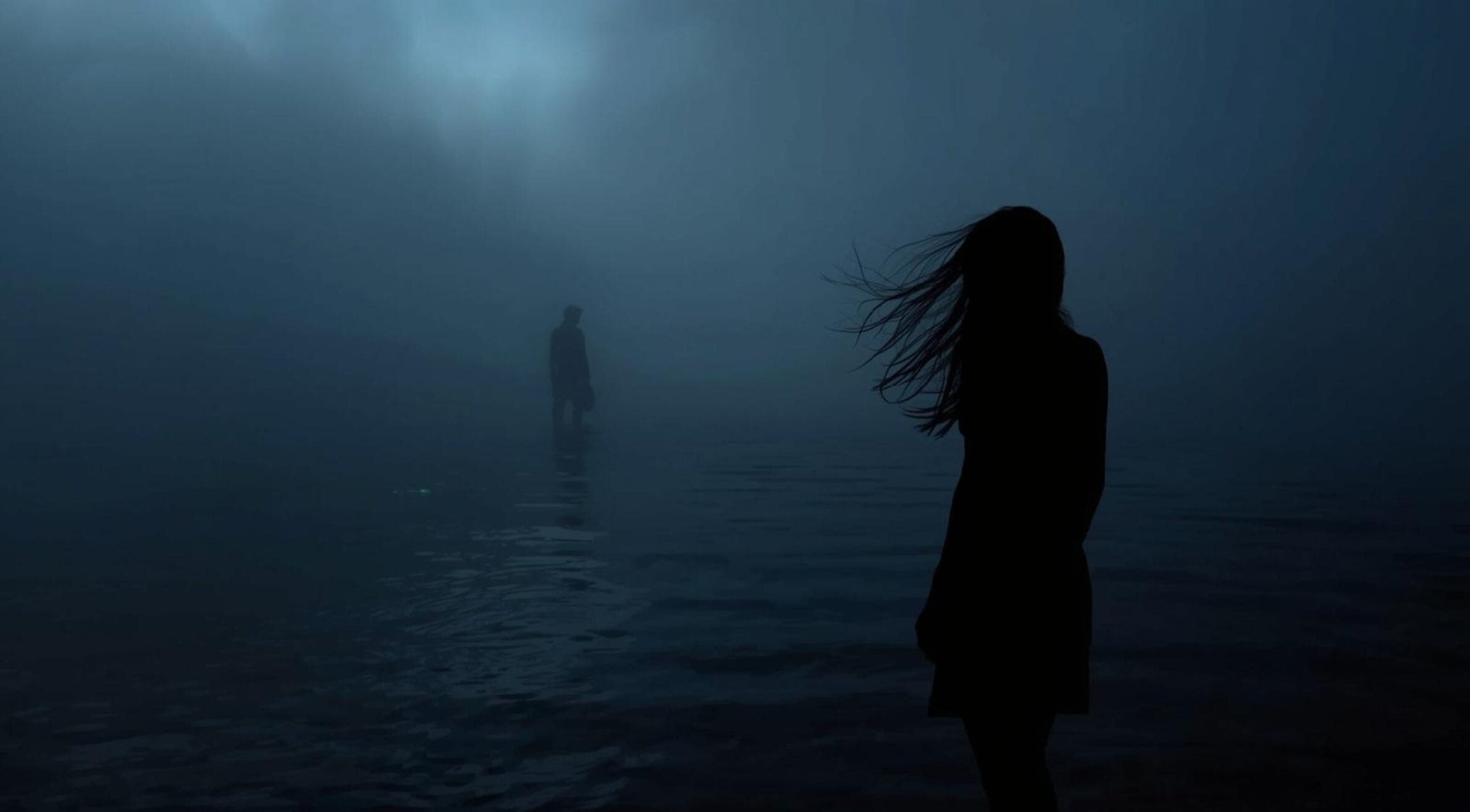
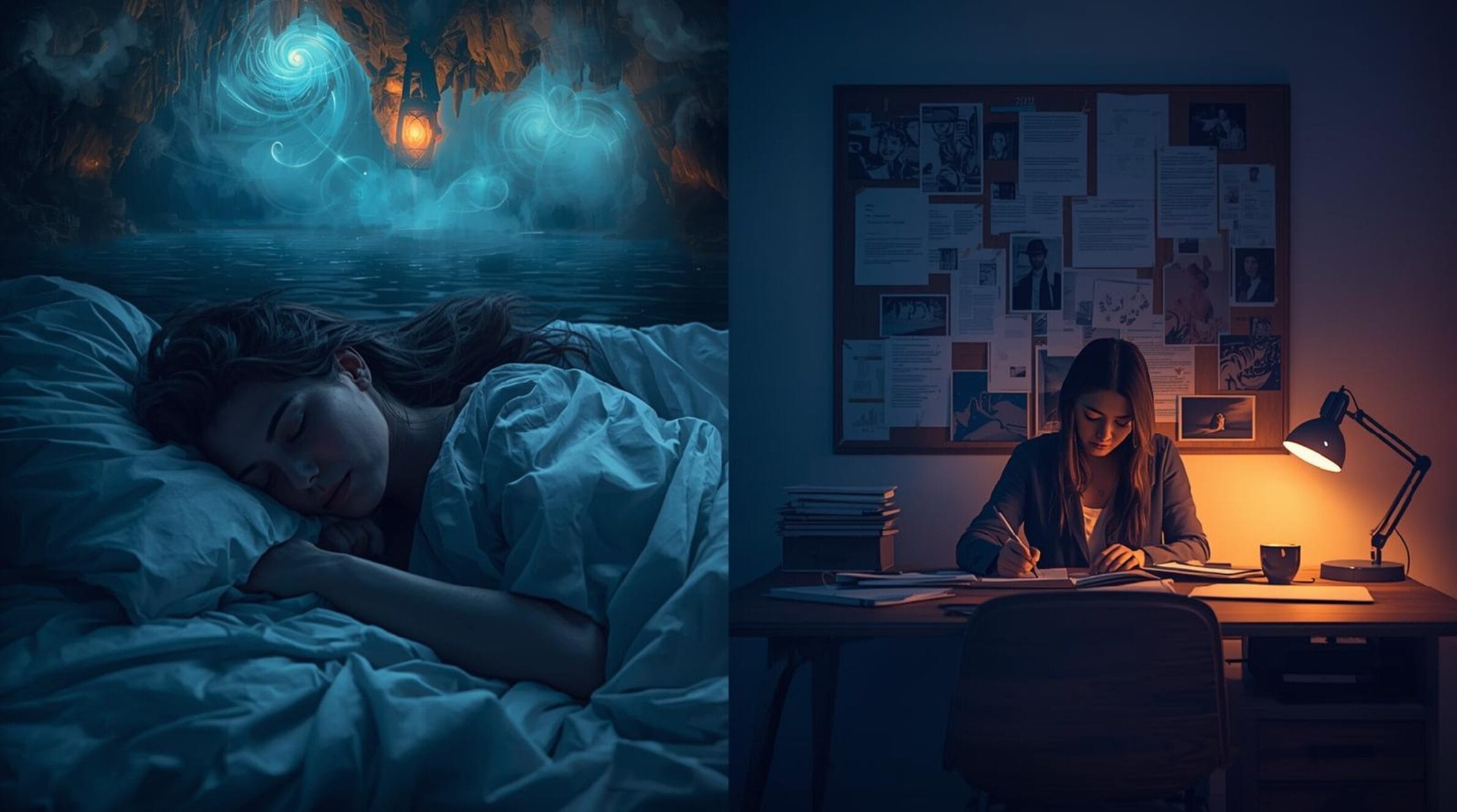
Not every night, but often enough that I started to recognize it when it began. I’d be in a dark cave—so dark I couldn’t see my own hands. The humidity was oppressive, making it hard to breathe. Water dripped somewhere in the distance. And I was terrified.
But in my hand, I held a lantern. A small, battery-powered lantern that created this tiny circle of light in the overwhelming darkness. And even though I was shaking, even though every instinct told me to run, I held that lantern high and kept moving forward.
The dream always ended before anything was resolved. I never found out what was in the darkness or where I was going. I just knew that I—or the woman I was in the dream—refused to give up that light.
I’m not someone who typically remembers dreams. But this one stuck with me. I’d wake up and think about it during the day. I’d find myself wondering: Who was she? Why was she in that cave? What was she running from—or toward?
For about a year, that’s all it was. Just a dream that kept coming back.
When the Dream Became a Story
Then one day in 2020, driving home from work, I had this thought: What if she’s in that cave because she has to be? What if there’s something chasing her, and the cave is the only way through?
And suddenly, I wasn’t just remembering a dream. I was building a story.
What if the darkness was part of a challenge? What if she was navigating this cave with a team, and she was the only one with a light? What if the creatures in the darkness were real, and terrifying, and the only thing keeping her team safe was the small circle of light she refused to let go of?
Over the next few months, the story expanded in my mind. I didn’t write it down yet—I just let it grow. The woman got a name: Kateri. She got sisters—five of them, all with distinct personalities. She got a secret: she wasn’t human, she was something else. Something that had to stay hidden.
And then she got a complication: a man who couldn’t stop watching her, who made her feel seen in ways that were both thrilling and terrifying.
By the time I sat down to write in November 2022, I had been living with this story for over three years. I knew these characters. I understood their world. The story had had time to develop in my imagination into something complete.
NaNoWriMo 2022: Finally Writing It Down
I’d never done National Novel Writing Month before. The idea of writing 50,000 words in 30 days seemed impossible. But I had this story living in my head, taking up space, demanding to be written.
So I decided to try.
I set myself up for success as best I could. I told my husband what I was attempting. He immediately took over dinner cooking for the month and ran interference when other things tried to take my time. That support was absolutely crucial—I couldn’t have done it without him.
Every night after work, I’d sit down and write for two hours. Sometimes more if I was on a roll. I protected that time fiercely. It was mine, and the story’s, and nothing else could intrude.
The writing was… not good. Let me be clear about that. First drafts are rough by nature, but this was especially messy. I was learning how to write a novel as I wrote it. I made every beginner mistake you can think of.
But I loved it. Even when the words were clunky and the scenes dragged, I loved being in this world with these characters. I loved watching Kateri navigate the challenges I threw at her. I loved seeing Magnus slowly fall for her despite all the reasons he shouldn’t.
In two weeks, I hit 50,000 words. By the end of November, I had about 75,000 words. And I wasn’t done—the story was bigger than I’d planned.
The Scene That Changed Everything
Remember that dream scene? The one that started all of this? I finally got to write it about halfway through the book.
Kateri is in the cave. Her team is panicking around her in the darkness. She’s holding a lantern—the only light source left after the others broke. Creatures are circling just beyond the glow, waiting for their chance to attack.
And Kateri holds that light high and refuses to let it go.
Writing that scene was surreal. I’d dreamed it so many times. I’d imagined it from every angle. And now I was finally putting it into words.
When I finished that chapter, I cried. Not because it was beautifully written (it wasn’t—I had to revise it heavily later). But because I’d finally brought this thing that had lived in my head for so long into the real world.
That’s when I knew I had to finish this book. Not just finish the first draft, but actually complete it and publish it. This story deserved to exist beyond my imagination.
Finding the Why
As I continued writing, I realized the story was exploring themes I hadn’t consciously planned.
It became a story about finding courage when you’re terrified. About choosing love even when everything in your history says it’s impossible. About trusting your instincts when logic says you shouldn’t.
The romance between Kateri and Magnus became a meditation on how love can bridge divides we think are impossible to cross. They come from peoples who have been enemies for generations. Every rational reason says they should stay apart. But fate had other plans.
I didn’t set out to write those themes. They emerged organically as I wrote. That’s when I knew the story was becoming something real—when it started teaching me things I didn’t know I needed to learn.
The Expansion: A World Takes Shape
As I wrote, I realized this wasn’t just Kateri’s story. All six sisters deserved their own romances. Each one had a distinct personality, a different journey, a Ren brother who would be perfect for her.
The world expanded. What started as one book became a nine-book series. Six books for the six sisters, and three more books connected to the world and family.
I created detailed backgrounds for each sister. Maya with her visions and quiet authority. Heather the empath who feels too much. Mitsuko who can’t sit still. Mesi the warrior with a tender heart. Marissa who’s more than just beautiful.
I developed the Rens—not just Magnus, but all six brothers. Each with their own personality, their own strengths and flaws, their own journey toward worthy of being a mate.
I built out the mythology. Why were Sirens and Rens enemies? What was The Madness that tore them apart? How did magic work in this world? What were the consequences of hiding versus revealing yourself?
By the time I finished the first draft in early 2023, I had 133,000 words. It was too long. It had pacing problems. But it was complete, and it was mine.
The Hardest Part: Deciding to Publish
I spent most of 2023 and early 2024 revising. I took out about 25,000 words of dragging middle sections. I tightened scenes, deepened character development, made sure the romance earned its happy ending.
I also spent that time researching publishing options.
I went to writers’ conferences. I took courses on finding agents. I learned how to write queries. And the more I learned about traditional publishing, the more I realized it wasn’t the right path for this book.
It wasn’t that I couldn’t do it—I probably could have. But the more I learned, the more I understood that traditional publishing would mean giving up creative control, waiting years for publication, and potentially having to change core elements of the story.
And here’s the thing: traditional publishing or self-publishing, authors have to do their own marketing either way. So why not keep the control?
That decision terrified me. Self-publishing meant I was responsible for everything. The cover. The editing. The formatting. The marketing. The launch. All of it.
But it also meant the book would stay mine. Kateri would stay exactly who I wrote her to be. The romance would be closed door because that’s what I wanted, not because a publisher thought it would sell better with more heat. The release date would be when I decided, not when a publishing schedule allowed.
In late 2024, I committed to self-publishing. And immediately wondered if I’d made a huge mistake.
The Phrase That Gave Me Permission
During one of my revision spirals, when I was convinced everything I’d written was terrible, I heard something that changed my perspective.
A writing teacher said: “Give yourself permission to write bad.”
It seems so simple, but it was exactly what I needed to hear.
I’d been so paralyzed by wanting the first draft to be perfect that I’d almost never written it at all. I’d been so worried about what people would think that I’d nearly kept this story locked in my head forever.
But here’s the truth: First drafts are supposed to be messy. That’s what revision is for. You can’t edit a blank page, but you can absolutely improve a rough draft.
That phrase freed me to finish. To revise. To actually move forward instead of staying stuck in perfectionism.
I still struggle with doubts. All the time. I still think “This isn’t good enough” more often than I’d like to admit. But I remind myself: it doesn’t have to be perfect. It just has to be real, and honest, and the best I can make it right now.
Why I’m Sharing This
I’m telling you all of this—the dreams, the years of thinking, the messy first draft, the doubts—because I think we often see published books as finished products and forget they all started as imperfect ideas.
A Fog of Shadows wasn’t born perfect. It was born as a recurring dream that I didn’t understand. It grew slowly, over years, as I figured out who these characters were and what they needed from me.
If you have a story idea that’s been living in your head, you don’t need to have it all figured out before you start. You just need to start.
If you’ve been working on something for years and wondering if you should give up, consider this: some stories need time. Some stories need you to grow into the writer who can tell them properly.
If you’re afraid your first draft won’t be good enough, you’re right—it won’t be. But that’s okay. That’s what first drafts are for.
What This Book Means to Me
A Fog of Shadows is my first published novel, but more than that, it’s proof that I can finish something I start. That I can take an idea and turn it into a complete story. That I can be brave enough to share something I created, even when I’m terrified people won’t like it.
It’s also a love letter to everyone who’s ever felt like they need to hide parts of themselves to be acceptable. Kateri’s journey from hiding to being seen, from silence to speaking up—that’s a journey I understand deeply.
And it’s a testament to the power of support. My husband who protected my writing time. My sisters (the real ones, not the fictional ones) who cheered me on. The writing community that welcomed me. The early readers who gave honest feedback.
This book exists because I finally gave myself permission to write it, and because people around me gave me permission to succeed.
The Dream Now
That original dream—the woman in the cave, holding the light, refusing to give up—it’s still powerful to me.
But now when I think about it, I see it differently. That woman isn’t just Kateri anymore. She’s also me.
Standing in the dark, not entirely sure what’s ahead, holding onto the small light of this story I created. Refusing to give up, even when I’m scared.
In 28 days, that light gets to shine for others. You’ll get to read this story that lived in my dreams for five years, in my imagination for seven, and on the page for the last three.
I hope you love it. But more than that, I hope it inspires you to pick up your own light—whatever story or dream or idea you’ve been holding onto—and refuse to let it go.