
People ask me: “How do you go from having an idea to actually publishing a book?”
The answer is long, messy, full of doubt, and involves a lot of nights writing after working two full-time jobs. It’s not a linear path. It’s not always inspirational. But it’s real.
Here’s my honest journey from recurring dream to debut author—the decisions, the doubts, and the determination it took to get here.
Five Years of Dreaming, Then NaNoWriMo
I’ve already shared that I dreamed about one scene for five years before I finally decided to write it down. But what I haven’t talked about is what finally made me do it.
It was 2022. NaNoWriMo (National Novel Writing Month—back when that was still a thing) was coming up. And I thought: maybe this is my push. Maybe I need the structure, the goal, the community of people all writing together.
So I signed up.
I wrote 50,000 words in two weeks.
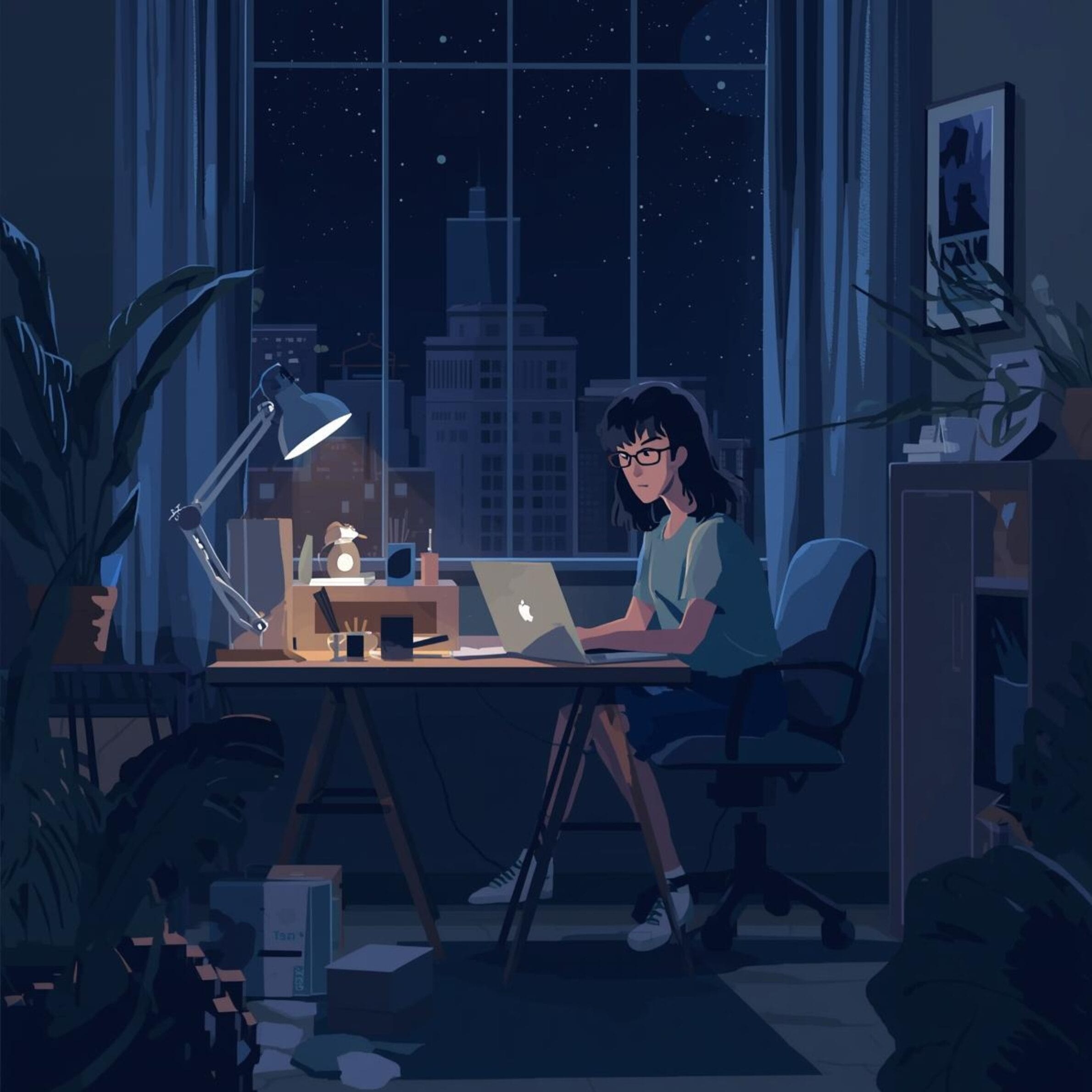
Not the whole month. Two weeks. Once I started, I couldn’t stop. The story that had been living in my head for five years poured out faster than I could type. I would finish work, sit down at my laptop, and write for two hours straight every single night.
Those two hours became sacred. My husband cooked dinner and handled everything else so I could just… write. He kept the outside world from distracting me. I was incredibly selfish with that time, but I needed to be. Without him, I couldn’t have done this.
By the time I was done, I had 133,000 words.
More than double what I’d started with. The story had expanded beyond that one scene into something massive—content that I then had to figure out how to shape into a coherent series.
And that’s when the real work began.
The Problem: 133,000 Words of Everything
Having a 133,000-word manuscript sounds impressive until you realize that a lot of it drags.
I had to cut. Not just trim—cut. I had to remove entire sections that I loved but that slowed the pacing. I had to be ruthless with scenes that didn’t serve the story, no matter how much I enjoyed writing them.
This was harder than writing the first draft.
The first draft was pure creativity and momentum. Editing was the reality check. It was facing the fact that not everything I wrote was gold. Some of it was just… filler. Beautiful filler maybe, but still filler.
I’m still working on getting the pacing exactly right. It’s a process. And it’s humbling.
The Publishing Decision: Traditional vs. Self
About two years ago, I made the decision to self-publish.
Before that, I’d done everything you’re supposed to do if you want to go traditional. I went to writers’ conferences. I took courses on finding agents and writing query letters. I researched publishers and their submission guidelines.
And then I looked at what traditional publishers actually want right now—and realized it didn’t suit my book or my vision.
Here’s what I learned about traditional publishing:
- Authors still have to do most of their own marketing
- You give up a lot of creative control over your book
- The timeline is incredibly long (years from acceptance to publication)
- Cover design, pricing, and many decisions aren’t yours anymore
- The advance isn’t what most people think it is
I thought: If I have to do my own marketing either way, I’m going to keep my book how I want it.
I want control over my covers. I want to decide my pricing and release schedule. I want to write the series at my own pace. I want to build my platform my way.
Self-publishing gives me all of that—at the cost of doing absolutely everything myself.
And I’m okay with that trade-off.
The Phrase That Changed Everything
“Give yourself permission to write badly.”
That’s the phrase I needed to hear. That’s what finally let me just… write.
For five years, I didn’t write the story down because I was afraid it wouldn’t be good enough. I was afraid the words on the page wouldn’t match the perfection in my head. I was afraid of ruining it.
But once I gave myself permission to write badly—to just get it out without worrying about whether it was good in this stage—the words flowed.
The refining comes later. That’s what I had to accept. The first draft is for getting the story out. The second draft (and third, and fourth…) is for making it good.
I couldn’t have written this book without understanding that distinction.
The Doubts (That Never Really Go Away)
I’ve questioned whether to publish this book more times than I can count.
All. The. Time. I still think it’s never going to be good enough.
There have been huge breaks over the last few years where my mind just… melted. Where I fully questioned if this was even something I wanted to put out there. Where I read my own writing and thought “who would even want to read this?”
And then there are times where I’m happy with it. Where I read a scene and think “okay, this is actually pretty good.”
I oscillate between those two states constantly.
The truth nobody tells you: The doubts don’t go away when you finish writing. They don’t go away when you finish editing. They’re still here now, weeks before launch.
I don’t know if they ever go away.
What I do know is that I’ve decided to publish anyway. Not because the doubts disappeared, but because I’m choosing to move forward despite them.
Marketing: Started This Year, Still Have No Idea What I’m Doing
I started building my author platform early last year—maybe January or February.
I created social media accounts. I started a newsletter. I’m writing blog posts and trying to figure out what readers want to see.
And I still have no idea what I’m doing.
But at least I’m doing something. That’s what I keep telling myself. Anything is better than nothing.
What’s surprised me most: How much planning you have to do.
Not only do you have to be an author and marketer—you also have to be an event planner, graphic designer, formatter, and somehow know the ins and outs of every technical detail that pops up.
Want to launch a book? You need:
- A website
- Social media presence
- Newsletter platform and content
- Cover design
- Interior formatting
- Marketing materials
- Launch strategy
- Content calendar
- And about a million other things I’m probably forgetting
It’s overwhelming. Some days I feel like I’m drowning in tasks that have nothing to do with actually writing.
But this is what self-publishing is. You wear all the hats, all the time.
How I Feel Now (Weeks Before Launch)
EKKKKKEKEKEKEK
That’s… that’s pretty much it. Excited and terrified in equal measure.
I’m about to release something I’ve been working on for years (five years of dreaming, two years of active work). People are going to read it. They’re going to have opinions. Some will love it, some won’t, and I have to be okay with that.
I’m not sure I’m ready. But I don’t think anyone ever really feels ready.
You just reach a point where you have to decide: am I going to keep this to myself forever, or am I going to share it with the world and see what happens?
I’ve chosen to share it.
Now I’m just holding my breath and hoping readers connect with these characters the way I have.
What I’d Tell Someone Starting This Journey
If you’re thinking about writing a book, or you’ve written one and don’t know what to do next, here’s what I’ve learned:
Just do something. Anything is better than nothing.
You don’t have to have it all figured out. You don’t have to know every step of the journey before you start. You just have to take the first step, and then the next one, and then the next one.
Stop comparing yourself to how fast others seem to go.
You never know their full journey. You don’t know what advantages they had, what struggles they faced, how long they actually worked on their book before announcing it.
Your pace is your pace. Your journey is your journey.
Give yourself permission to write badly.
Get the story out. Worry about making it good later. The first draft doesn’t have to be perfect—it just has to exist.
Find your support system.
Whether it’s a spouse who cooks dinner so you can write, a writing group that cheers you on, or online communities of other authors—you can’t do this alone. Find people who believe in you when you don’t believe in yourself.
The doubts are normal.
Every author questions if they’re good enough. Every author wonders if anyone will want to read their work. You’re not alone in feeling that way.
But publish anyway.
The Journey Continues
This journey isn’t over. Launch is just the beginning of a new phase—one where readers will actually experience the world I’ve been building in my head for years.
I don’t know what happens next. I don’t know if this book will find its audience, if readers will love these characters the way I do, if I’ll be able to sustain this career I’m trying to build.
But I know I’m glad I tried. I’m glad I took those two hours every night and wrote the story that wouldn’t leave me alone. I’m glad I gave myself permission to write badly and then worked to make it better. I’m glad I chose to keep creative control and publish on my own terms.
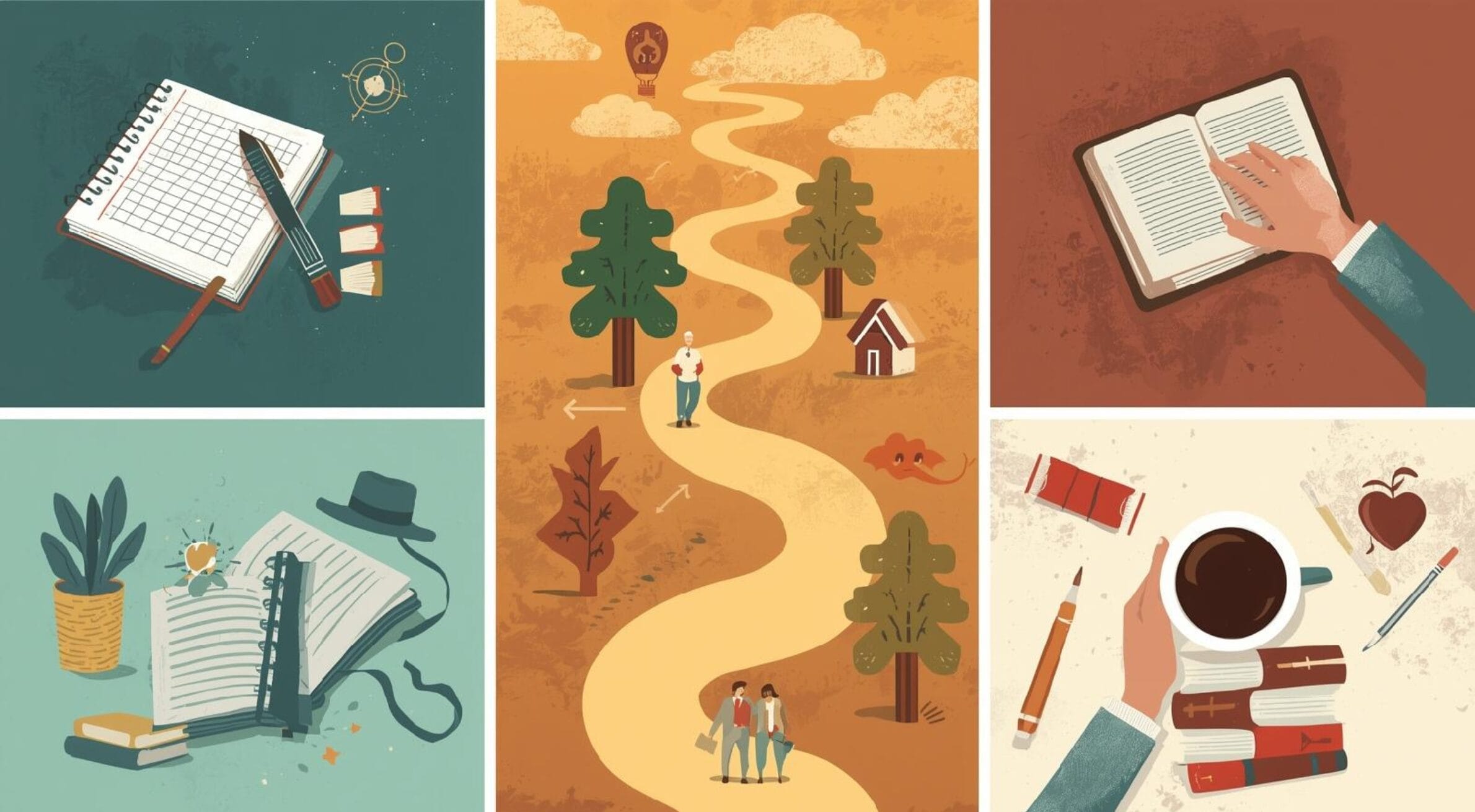
The path from idea to published author isn’t straight. It’s messy and full of doubt and requires sacrificing time and energy you might not think you have.
But if you have a story that won’t leave you alone—write it. Figure out the rest as you go.
That’s what I did. And in a few weeks, my debut novel will be out in the world.
Wish me luck.