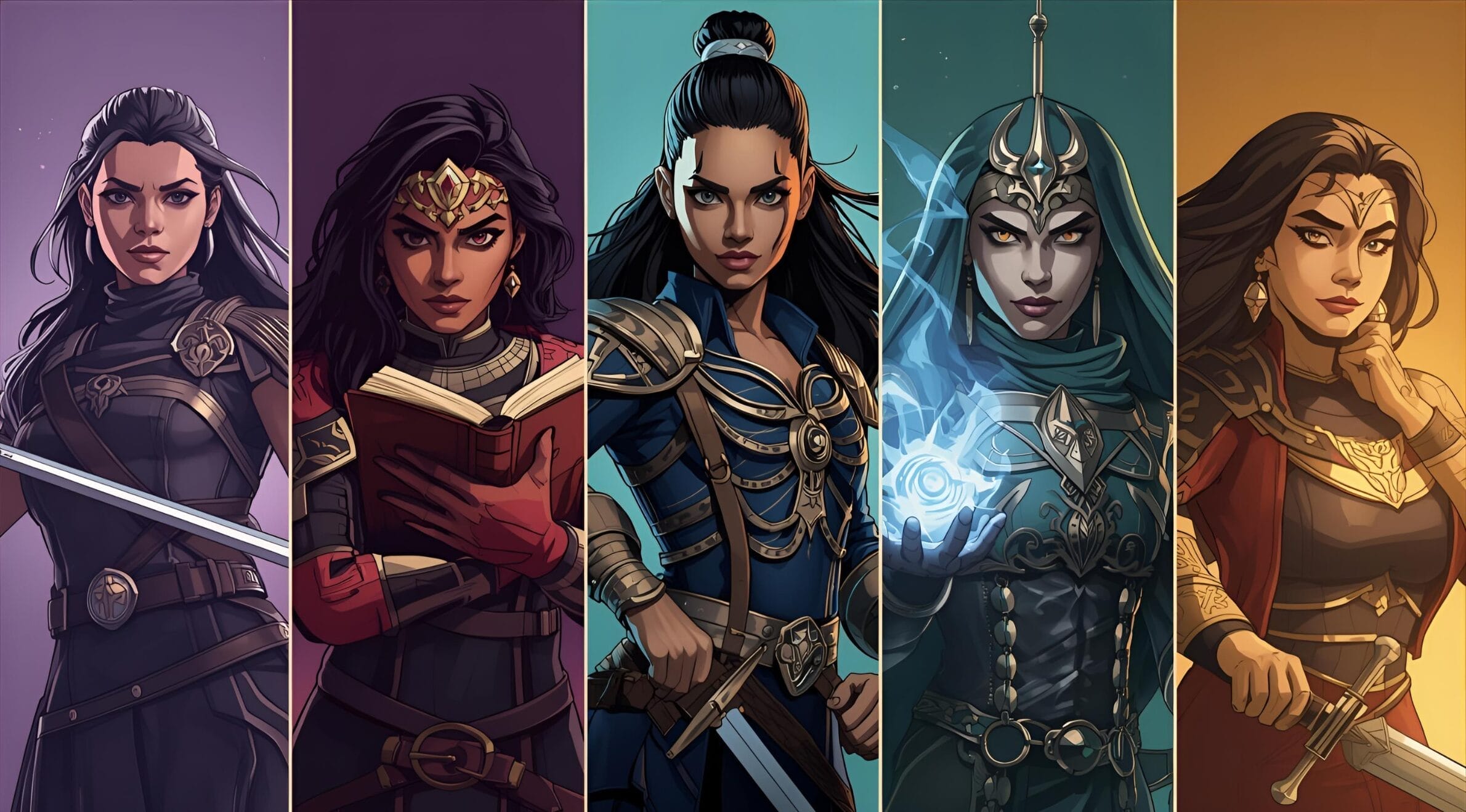





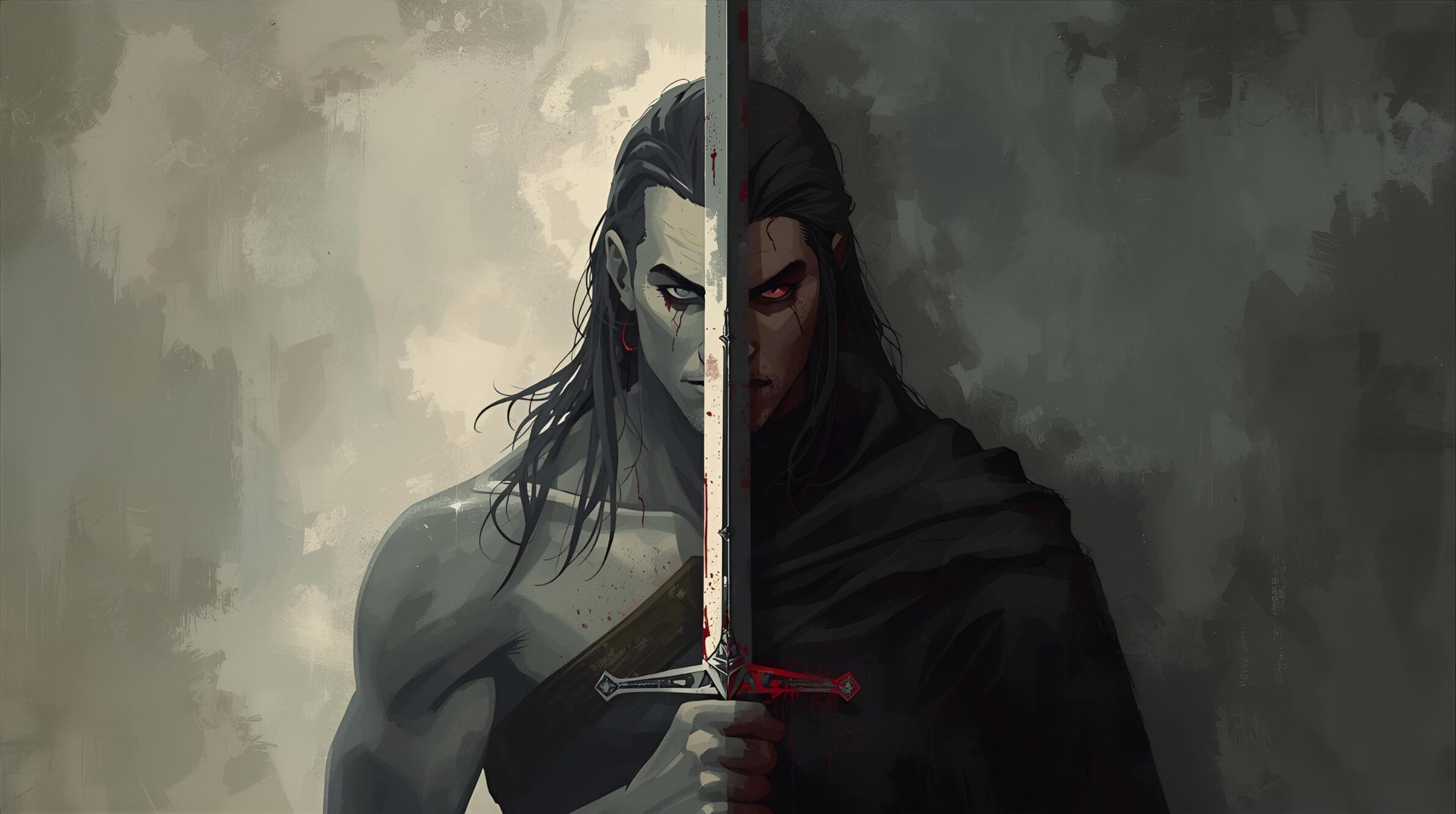
Morally gray characters are everywhere in fantasy romance right now—and for good reason. Readers love characters who aren’t purely good or evil, who make questionable choices, who exist in the messy middle where most of us actually live.
But writing morally gray characters is a balancing act. Go too far and they become villains readers won’t root for. Don’t go far enough and they’re just regular flawed heroes with a darker aesthetic.
When I started writing my fantasy romance series, I had to figure out how to create characters who’d done genuinely questionable things while still making readers want them to find love and happiness. It’s trickier than it sounds.
Here’s what I’ve learned about writing morally gray characters that readers can’t help but root for.
What Makes a Character Morally Gray?
First, let’s define what we’re talking about.
Morally gray characters:
- Make choices that aren’t clearly right or wrong
- Do questionable things for understandable reasons
- Have complex motivations beyond “I’m evil”
- Exist in ethical gray areas
- Force readers to question their own moral boundaries
Morally gray is NOT:
- Just being brooding or mysterious
- Having a tragic backstory (that’s just trauma)
- Being mean to everyone except the love interest
- Doing terrible things with no real motivation
The key difference I’ve discovered: Morally gray characters make you understand WHY they did something even if you don’t agree it was right. Villains do terrible things because they’re terrible. Morally gray characters do terrible things because they felt they had no choice—and maybe they didn’t.
Where’s the Line Between Morally Gray and Villain?
This is the question I struggled with most while writing.
What I’ve learned works for fantasy romance:
Morally gray characters:
- Have lines they won’t cross (even if those lines are different from typical heroes)
- Feel genuine remorse or conflict about their choices
- Are capable of growth and change
- Care about someone/something beyond themselves
- Have motivations readers can understand even if they disagree
Villains:
- Cross lines without remorse
- Harm innocents without real justification
- Lack capacity for genuine change
- Care only about their own desires
- Have motivations that are purely selfish or cruel
The romance test: If your love interest had to accept and forgive genuinely evil actions with no character growth, that’s probably crossed into villain territory. Morally gray characters should be on a journey—even if it’s a complicated one.
Types of Morally Gray Choices
Not all “gray” choices are created equal. Some are easier for readers to accept than others.
Choices that tend to work in romance:
Necessary evils:
- Killing in war or self-defense
- Lying to protect someone
- Breaking laws for greater good
- Choosing the lesser of two evils
- Sacrificing few to save many
Survival choices:
- Doing questionable things to stay alive
- Protecting family/people they love at any cost
- Making deals with dangerous people
- Using morally gray methods for survival
Cultural/contextual gray areas:
- Following orders they question
- Upholding traditions they’re starting to doubt
- Acting according to different moral codes
- Doing things acceptable in their culture but questionable to readers
Choices that are harder to make work:
Harming innocents: Very difficult to come back from without significant growth and consequences
Betraying loved ones: Needs strong justification and serious redemption arc
Unrepentant cruelty: If they enjoy causing pain, they’ve crossed into villain territory
Sexual violence: This is generally a hard line for romance—even morally gray characters shouldn’t cross this
Making Readers Root for Morally Gray Characters
The challenge: How do you make readers want happiness for someone who’s done dark things?
What’s worked for me:
1. Show Their Humanity
Even morally gray characters need moments where readers see their vulnerability:
- Genuine care for someone
- Moments of doubt or regret
- Softness they show to select people
- Pain from their own past
- Capacity for joy or humor
These moments remind readers there’s a person beneath the gray choices.
2. Give Them Understandable Motivations
Readers don’t have to agree with the choice, but they need to understand WHY.
Weak motivation: “I killed them because I was angry.”
Strong motivation: “I killed them because they were going to kill the children in my care, and I was the only one who could stop them.”
The action might be the same, but motivation makes all the difference.
3. Let Them Face Consequences
Morally gray characters can’t just do questionable things with no repercussions.
Consequences that matter:
- Emotional weight they carry
- Guilt or nightmares
- Damaged relationships
- Loss of trust from others
- Having to live with their choices
If there are no consequences, the “gray” choices feel hollow and unearned.
4. Show Capacity for Growth
Morally gray doesn’t mean static. These characters should be capable of change, even if change is slow and difficult.
Maybe they:
- Start questioning their past choices
- Try to do better going forward
- Struggle with who they’ve become
- Work toward redemption
- Learn from the love interest
Growth doesn’t erase past actions, but it shows readers this person can become better.
5. Balance Dark With Light
For every morally gray choice, show positive qualities too:
- Loyalty to certain people
- Protective instincts
- Sense of humor
- Competence or skill
- Moments of genuine kindness
- Code of honor (even if it’s different from typical heroes)
Readers need reasons to like them beyond just understanding their darkness.
Writing Romance With Morally Gray Characters
Here’s where it gets really tricky: How does romance work when your character has done questionable things?
Questions I had to answer:
Does the Love Interest Know About the Gray Choices?
If they know:
- How do they process it?
- What’s their moral line?
- Can they accept this person anyway?
- Does it affect their trust?
If they don’t know:
- When do they find out?
- How do they react?
- Is hiding it a betrayal?
- Can the relationship survive the revelation?
There’s no right answer, but you need to address it honestly.
How Does the Romance Affect Their Gray Choices?
Does love make them:
- Want to be better?
- Question past actions?
- Consider different paths?
- Struggle between old ways and new?
The romance should have impact on their character arc, not just exist alongside it.
Is the Relationship Healthy Despite the Darkness?
This is crucial. The morally gray aspects can’t bleed into making the romance toxic.
Red flags to avoid:
- Using morally gray methods to control the love interest
- Excusing genuinely harmful behavior because “that’s just who they are”
- Love interest having to constantly forgive terrible actions
- No growth or change despite the relationship
What works better:
- The morally gray character treats the love interest with respect
- Their darkness is about their past/outside relationships, not the romance
- Love interest has agency to call them out
- Relationship becomes a catalyst for growth
Common Mistakes Writing Morally Gray Characters
Mistake #1: Confusing Brooding With Morally Gray
Being dark and mysterious doesn’t make a character morally gray. They actually have to make questionable moral choices, not just wear black and scowl a lot.
Mistake #2: Excusing Everything With Trauma
Trauma explains behavior but doesn’t excuse it. Your character can have a tragic past AND still be accountable for their choices.
Mistake #3: Making Them Too Gray
If readers can’t find anything to like or root for, you’ve lost them. Balance is key.
Mistake #4: No Real Consequences
If they do terrible things and everyone just accepts it with no emotional fallout, readers won’t buy it.
Mistake #5: Inconsistent Morality
Your character’s moral code should make sense, even if it’s different from typical heroes. If they have no problem killing strangers but suddenly become noble, readers will notice the inconsistency.
Questions to Ask About Your Morally Gray Character
About their choices:
- What questionable things have they done?
- Why did they do them?
- How do they feel about those choices now?
- What lines won’t they cross?
About reader sympathy:
- What makes them sympathetic despite their darkness?
- What positive qualities balance the gray?
- Why should readers want them to be happy?
About growth:
- Are they capable of change?
- What would motivate them to change?
- How does the romance affect their choices?
- Will they face consequences?
About the romance:
- How does the love interest learn about/react to their gray choices?
- Can the relationship be healthy despite their past?
- Does love inspire growth or excuse darkness?
Bringing It All Together
Writing morally gray characters in fantasy romance means walking a tightrope. You need to make them dark enough to be genuinely morally gray, but sympathetic enough that readers want them to find love.
What I’ve discovered through my own writing:
- Motivation matters more than actions
- Consequences make gray choices feel real
- Balance darkness with genuinely likable qualities
- Growth is essential—they can’t stay static
- The romance can’t excuse genuinely harmful behavior
- Readers will accept a lot if they understand WHY
The best morally gray characters make readers think. They force us to question our own moral boundaries, to consider what we’d do in impossible situations, to recognize that people are complicated and choices aren’t always clear.
I’m still learning how to balance these elements, still figuring out where the lines are. But I’ve found that when I treat my morally gray characters with honesty—showing both their darkness and their humanity, their questionable choices and their capacity for growth—readers respond.
Because ultimately, we’re all a little bit gray. And stories that acknowledge that complexity feel more real than tales of pure heroes and pure villains.